

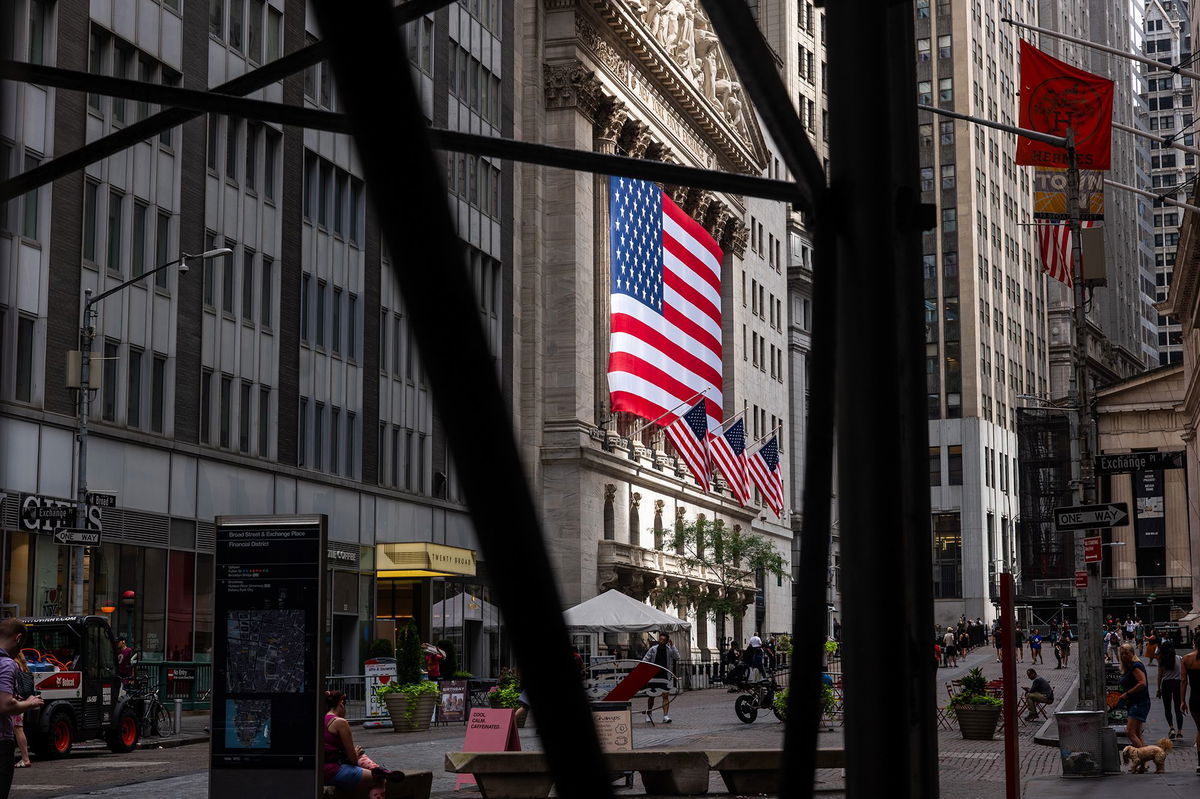
In the complex and ever-shifting world of global finance, confidence is often as valuable as tangible assets. In recent months, financial markets, particularly in the United States, have shown signs of skepticism toward former President Donald Trump’s latest economic threats and policy pronouncements. Investors, analysts, and institutions appear less reactive than in previous years, suggesting that Wall Street may no longer take Trump’s economic rhetoric at face value.
This evolving relationship between political leadership and financial markets underscores how perception, experience, and global economic conditions can shape investor behavior. As Trump continues to influence public discourse with comments on tariffs, trade relations, and economic growth, financial markets seem to be adopting a more cautious, measured response—one that reflects a deeper understanding of both the political landscape and underlying economic fundamentals.
Historically, remarks made by Trump concerning economic issues—such as potential tariff hikes, trade tensions, or business levies—have frequently triggered rapid responses in financial sectors. Throughout his time in office, declarations about tariffs targeting China, for instance, caused prompt instability in markets, as financiers adjusted their forecasts in response to perceived threats to supply chains and international commerce.
However, as the political atmosphere changes and markets become familiar with Trump’s negotiation approach, there are increasing signs that Wall Street is becoming more selective. Instead of responding to all headlines or catchy phrases, financial organizations are paying more attention to tangible policy measures, legislative facts, and broad economic indicators.
Several factors contribute to this shift. First, investors have witnessed a pattern in Trump’s economic approach: bold initial threats are often followed by either backtracking, compromise, or lengthy negotiation processes that water down the original proposals. This recognition has tempered market responses, reducing the likelihood of sharp, knee-jerk reactions to unconfirmed policy ideas.
Secondly, there have been notable shifts in the world economy since Trump’s initial presidency. The COVID-19 crisis, geopolitical conflicts, increasing inflation rates, and supply chain difficulties have added new levels of intricacy. These elements have led investors to move past political discourse and prioritize wider economic patterns, including central bank actions, employment trends, and global collaboration.
Additionally, financial markets are growing more conscious of the political intentions behind Trump’s economic announcements. Remarks on tariffs, taxes, or trade relationships are frequently linked to election strategies, crafted to attract certain voter groups or to influence public discourse. Experienced market players, having learned from past experiences, understand the distinction between political rhetoric and practical policy, resulting in more tempered responses.
An example worth noting is Trump’s ongoing emphasis on enforcing steep tariffs on foreign goods, especially those from China and other key trade allies. Although these statements previously caused stock markets to plummet and incited worldwide economic apprehension, more recent announcements have not led to the same degree of chaos. Financial backers seem to be evaluating the practicality and genuine probability of these measures being enacted instead of just responding to the statements.
Los mercados financieros han demostrado una notable capacidad para enfrentar amenazas gracias a la solidez de los fundamentos económicos básicos. A pesar de los desafíos mundiales, la economía de EE.UU. ha mostrado una capacidad significativa de resistir, con una generación constante de empleos, sólidas ganancias corporativas y un gasto fuerte por parte de los consumidores. Esta estabilidad ha servido de amortiguador frente a la incertidumbre política, brindando a los mercados una mayor confianza para resistir fluctuaciones a corto plazo sin ventas masivas drásticas.
Additionally, central banks, especially the Federal Reserve, have become more influential in determining market sentiment. Decisions regarding interest rates, controlling inflation, and providing guidance on monetary policy have become key influences on market behavior, frequently taking precedence over political events. Consequently, even significant political announcements now have less influence on daily trading than they used to.
It is important to note, however, that while financial markets may be less reactive to Trump’s economic threats, this does not imply indifference. Investors remain highly attuned to the potential for policy changes that could affect trade relations, corporate profitability, or regulatory environments. The difference lies in the depth of analysis: markets are now more likely to demand concrete details before adjusting positions.
Este escepticismo en aumento refleja igualmente una tendencia más amplia dentro de la evaluación de riesgos políticos. Los inversores a nivel mundial han mejorado su capacidad para manejar entornos políticos inciertos, desde las negociaciones del Brexit hasta los ciclos electorales en EE.UU. El uso de modelos sofisticados, análisis de riesgos geopolíticos y planificación de escenarios se ha convertido en herramientas estándar en el proceso de toma de decisiones de inversión, disminuyendo el impacto de las declaraciones de cualquier figura política individual.
Moreover, the rise of algorithmic trading and data-driven strategies has contributed to this change. Automated systems often rely on longer-term trends and macroeconomic data rather than reacting to individual news events. This shift in trading behavior dampens the market impact of short-term political developments, further insulating markets from volatility caused by headline-grabbing announcements.
Simultaneously, certain areas of the market continue to be more affected by political changes compared to others. Sectors that rely significantly on international trade—like manufacturing, farming, and technology—still confront possible dangers from changes in trade policies or the introduction of new tariffs. Therefore, even though the market as a whole might show strength, particular stocks or sectors could persist in facing specific volatility due to political changes.
Examining the future, the interplay between Trump’s political impact and financial markets is expected to remain an evolving and scrutinized connection. If Trump assumes a prominent position in forthcoming elections or policy discussions, investors will keep a close eye on his remarks and plans. Nonetheless, it appears that markets have evolved in their reactions, transitioning from impulsive responses to more thoughtful and research-driven evaluations.
For investors, this trend highlights the importance of maintaining a long-term perspective, focusing on economic fundamentals and diversification rather than being swayed by short-term political noise. For policymakers, it serves as a reminder that while political statements can grab headlines, their real-world impact is ultimately judged by their feasibility, execution, and economic context.
In conclusion, while former President Donald Trump’s economic pronouncements once held the power to rattle markets with a single tweet, the landscape has shifted. Wall Street, seasoned by experience and supported by strong economic fundamentals, is increasingly calling his bluff—choosing prudence over panic, analysis over alarm. This evolution marks not only a turning point in market behavior but also a reflection of a more sophisticated approach to navigating the intersection of politics and finance.