

Every business, regardless of size or industry, encounters a wide range of expenses in its daily operations. An essential part of managing these expenses effectively lies in understanding how they behave as a company’s production volume changes. To this end, costs are most commonly classified into fixed costs and variable costs. This distinction is fundamental for budgeting, pricing strategies, and overall financial planning.
Defining Fixed Costs
Fixed costs refer to those expenses that remain constant over a given period, regardless of the business’s level of production or sales volume. These costs are incurred even if a business produces no goods or services for a certain time frame. Fixed costs do not fluctuate with activity levels in the short term, making them predictable and easier to budget for.
Typical examples of fixed costs include:
Rent or lease payments: Companies often pay a set amount each month for office space, warehouses, or retail storefronts, regardless of how many products are sold or services are rendered.
Salaries of permanent staff: Employees with regular contracts, such as accountants or managers, generally receive the same pay every month, irrespective of fluctuations in business activities.
Depreciation: Assets such as machinery, vehicles, and equipment lose value over time. Depreciation expense is usually calculated consistently over the asset’s useful life, reflecting a fixed cost that doesn’t change with production levels.
Insurance premiums: These recurring payments for insurance policies, including liability or property coverage, are made at set intervals and generally remain fixed over the duration of the policy.
Loan repayments: Regular installments covering interest and principal on business loans represent a key fixed cost that must be met even when revenue fluctuates.
While fixed costs do not change with short-term variations in production, it is important to recognize that they can eventually change over the long term. For instance, signing a new lease agreement might increase or decrease rental costs, and hiring more permanent staff will alter salary expenses.
Exploring Variable Costs
Variable costs are expenses that fluctuate directly with the level of production or business activity. In other words, the more a business produces or sells, the higher its variable costs. Conversely, these costs decrease when production or sales volumes fall.
Common examples of variable costs include:
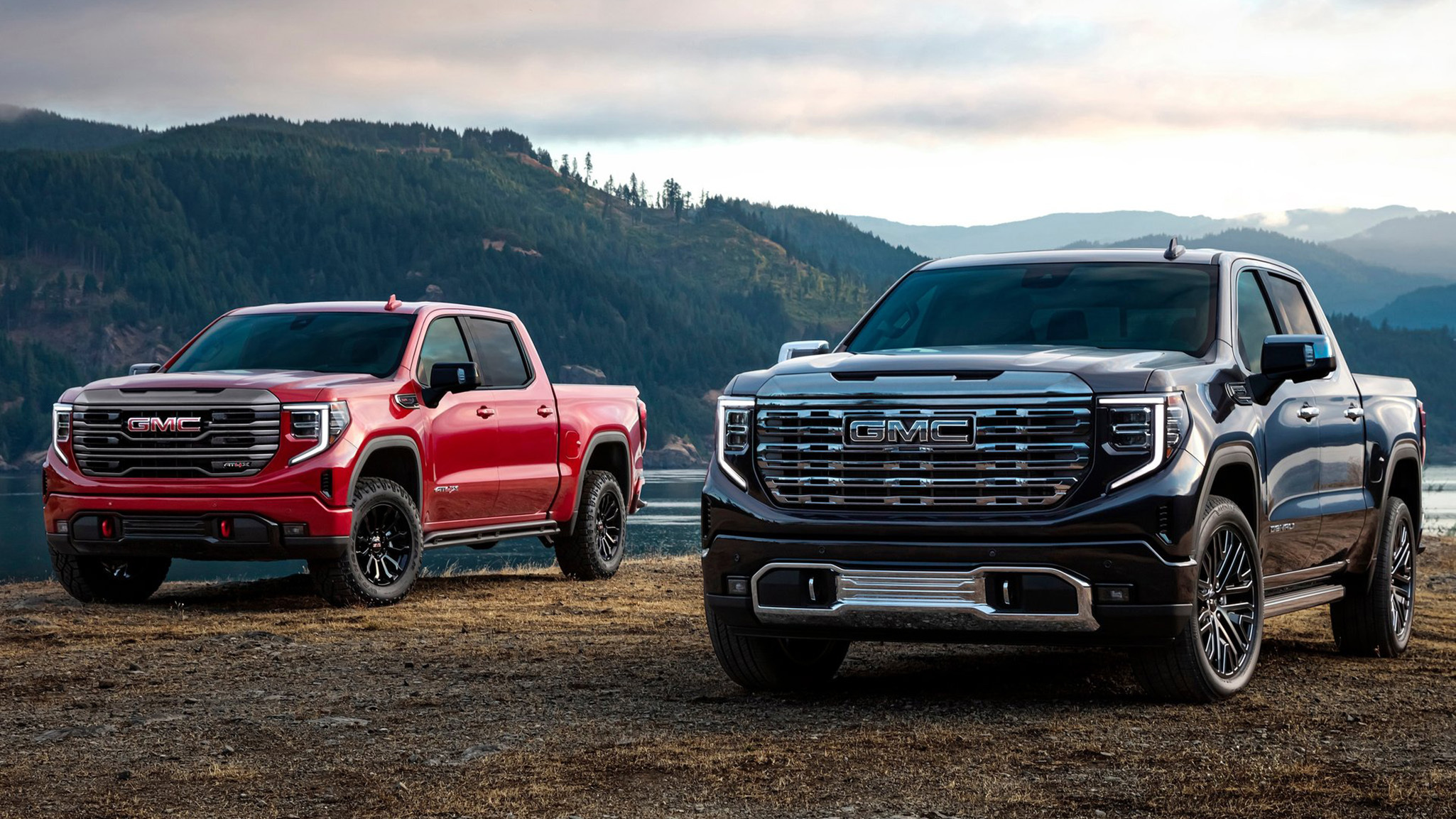
Raw materials and components: Manufacturing companies typically incur higher material expenses as they scale up production, since an automobile maker, for example, will see its steel, rubber, and plastic requirements rise as additional vehicles come off the assembly line.
Direct labor: This may include wages paid to factory workers or contractors whose compensation depends on hours worked or units produced. For example, bakery staff paid per cake baked represent a variable labor cost.
Utilities associated with production: The electricity or gas required to operate machines, ovens, or other equipment varies with output. Increased production often means higher utility expenses.
Shipping and packaging: Costs for delivering finished goods typically rise when more products are shipped, with direct connections to sales volumes.
Sales commissions: Numerous companies grant their sales teams percentage-driven commissions, and this compensation stays fully variable because it shifts with the amount or monetary value of the sales completed.
Variable costs enable businesses to scale their expenses up or down in direct response to market demand, providing a degree of operational flexibility.
Mixed Costs and Real-World Nuance
Some business expenses do not fit neatly into the fixed or variable category. These are often referred to as mixed costs, commonly incorporating both a fixed base charge and a variable component tied to activity levels. For instance, a utility bill may include a fixed monthly service fee plus charges for actual energy consumption.
Car rental companies’ fleet expenses offer another example. They pay a fixed cost for vehicle leases plus variable maintenance and depreciation depending on miles driven.
Understanding the nuanced spectrum from fixed to variable is crucial for effective cost analysis. Classifications might shift depending on the time horizon, business model, or industry specificities.
Strategic Considerations Shaping Business Decisions
Understanding how fixed and variable costs differ plays a crucial strategic role for companies. Reflect on these key ramifications:
Break-even analysis: Knowing fixed and variable costs is critical in calculating the break-even point—the sales volume at which total revenues equal total costs, resulting in neither profit nor loss. Businesses use this analysis to set sales targets, price products, and assess the feasibility of new ventures.
Pricing strategies: Understanding cost behavior helps companies determine the minimum viable price for products or services. Businesses with high fixed costs may require higher sales volumes to cover their expenses, affecting their pricing flexibility.
Operating leverage: Companies with a high proportion of fixed costs in their cost structure experience greater fluctuations in profits as sales revenue changes—a phenomenon known as operating leverage. While this can magnify profits during boom periods, it also increases risk during downturns.
Capacity planning: Businesses must assess whether their fixed cost base is sustainable relative to their anticipated output. Excessive fixed costs can strain cash flow during periods of low demand, while businesses with a heavier reliance on variable costs may be better equipped to weather economic uncertainty.
Case Study: Restaurant Industry Application
A restaurant illustrates how fixed and variable expenses interact, with items such as monthly rent, kitchen equipment depreciation, and manager salaries standing as fixed commitments that do not shift with changes in customer flow, while variable expenses encompass the cost of food supplies, hourly pay for serving staff, and utility charges that rise or fall based on occupancy levels and the number of meals served.
During quieter stretches, the business feels the pressure of fixed expenses more intensely, while during high‑demand periods, variable costs climb due to increased ingredient usage and hourly staffing. Restaurant managers routinely refine pricing, streamline work schedules, and renegotiate terms with suppliers after closely evaluating these different cost types.
Understanding how fixed and variable costs differ gives business leaders clearer financial perspective, enabling more confident choices from budgeting through risk management. Acknowledging that these costs shift depending on context helps organizations foresee obstacles, pursue expansion prospects, and stay resilient as markets evolve. When costs are treated not simply as figures but as strategic tools, companies gain the adaptability and forward view required to steer their distinct journeys toward long-term stability and achievement.