
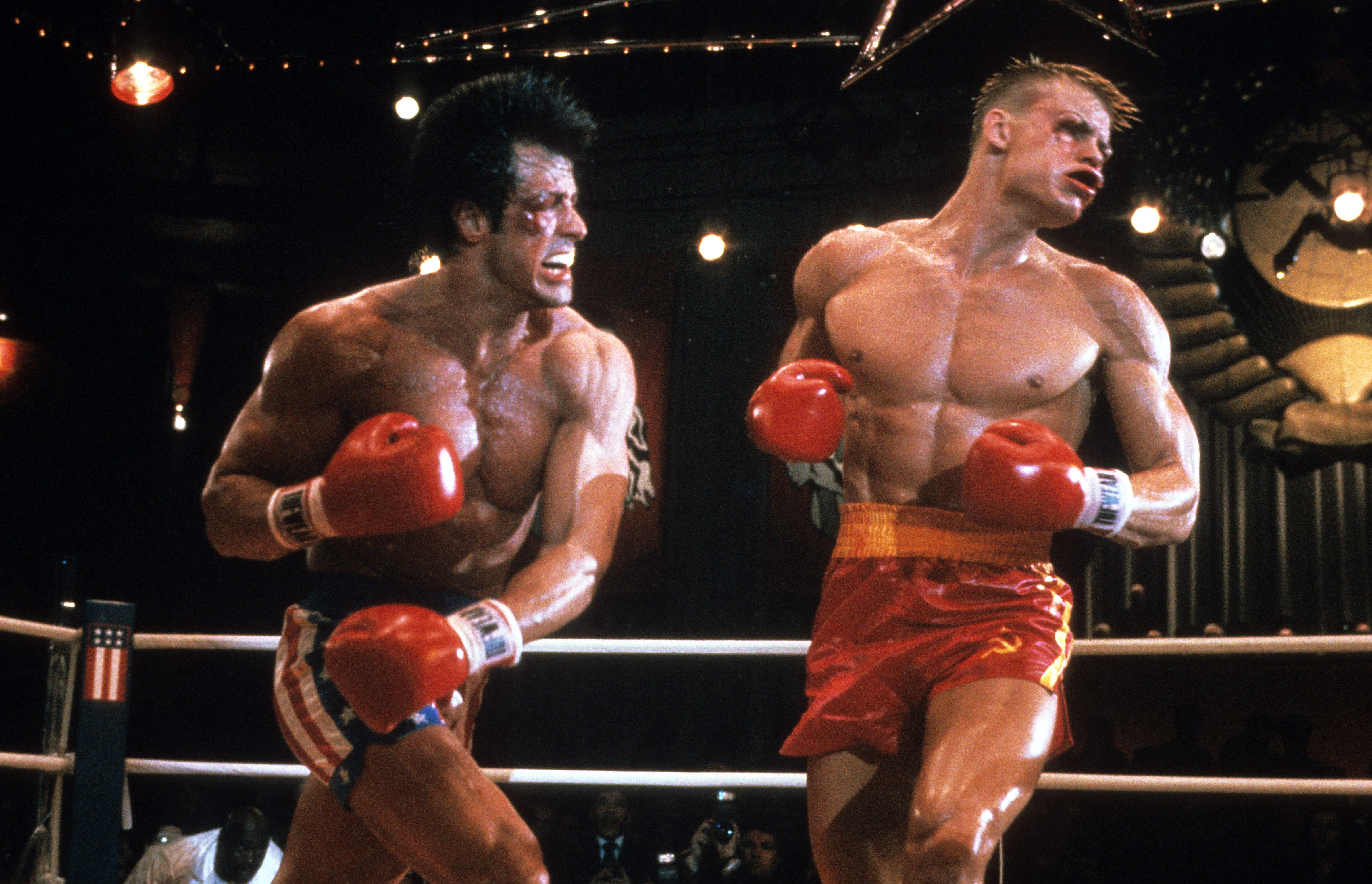
Few films in the history of cinema have achieved the iconic status reserved for Rocky, the 1976 sports drama written by and starring Sylvester Stallone. More than just a boxing movie, Rocky has become synonymous with personal triumph, resonating with audiences across cultures and generations. Understanding why this character and his story continue to inspire requires examining several key aspects: the underdog narrative, authenticity, cultural impact, and the film’s real-world parallels.
The Underdog Narrative: Embodying Hope and Grit
At the heart of Rocky lies the timeless appeal of the underdog. Rocky Balboa, a small-time club fighter from Philadelphia, gets the chance of a lifetime to challenge the reigning heavyweight champion, Apollo Creed. He comes from humble beginnings, living in a rundown apartment, working as a debt collector, and dreaming of something bigger. Despite his lack of resources, he faces adversity with relentless perseverance.
This story reflects the personal challenges many individuals encounter. Audiences connect with Rocky’s path as it illustrates real-life situations where dedication surpasses inherent ability or advantage. He states, “It ain’t about how hard you hit. It’s about how hard you can get hit and keep moving forward.” This particular statement embodies the movie’s core message and explains why the protagonist serves as an emblem of individual success.
Authenticity: Rocky’s Realism Resonates
In contrast to conventional Hollywood protagonists, Rocky presents as imperfect, susceptible, and genuinely real. He grapples with uncertainty, interpersonal connections, and proficiency. Viewers observe his clumsy courtship with Adrian, his strained bond with his friend Paulie, and his quest for recognition both within and beyond the boxing arena. His triumphs are not easily gained; each accomplishment is the result of significant effort.
Furthermore, Stallone’s own journey while creating and starring in Rocky mirror’s his character’s. Stallone, then an unknown actor, refused to sell the script unless he played the lead, eventually making the film on a modest budget. The behind-the-scenes story reinforces the film’s central message—through sheer will and resilience, one can overcome overwhelming odds.
Cultural Impact: A Universal Narrative
Rocky’s story transcends borders. The image of him running up the steps of the Philadelphia Museum of Art has become a global symbol of aspiration and accomplishment. The steps themselves were officially nicknamed “The Rocky Steps,” and tourists from around the world recreate the iconic run, celebrating their own personal milestones.
The rousing theme music, “Gonna Fly Now,” underscores training montages widely taught and referenced not only in film studies but in advertising, sports, and public events. Athletes, entrepreneurs, and everyday individuals cite the film’s impact on their own quests for excellence. Numerous real-world cases exist of people drawing motivation from Rocky’s narrative—marathon runners enduring harsh training regimens, students striving against the odds, and countless others finding connection to Rocky’s persistence.
Lessons in Resilience and Self-Belief
The real essence of Rocky’s success isn’t in prevailing in the bout; actually, he is defeated in the contest by a split decision. His win lies in enduring the full duration, accomplishing what was believed to be unattainable, and re-evaluating the definition of individual achievement. The movie challenges the conventional sports story of mere triumph, instead emphasizing self-control and internal contentment.
Multiple sequels continue to explore these themes, each presenting Rocky with ever-changing challenges—aging, loss, and legacy—demonstrating that personal triumph is ongoing, never static. This nuance distinguishes Rocky from one-dimensional heroic tales.
The Legacy of Rocky as Personal Triumph
Rocky’s ongoing influence is evident in education, business, and even psychology. Academic papers analyze the character’s mindset as an archetype of resilience. Motivational seminars reference his determination as an exemplar for conquering fears and insecurities. The Rocky franchise’s box office success and critical acclaim (with the original film winning three Academy Awards, including Best Picture) reinforce its place in cultural consciousness.
Through its authentic portrayal of struggle, grounded realism, and universal appeal, Rocky remains more than just a film: it is a cultural touchstone that encourages individuals to find strength in adversity. The narrative reminds us that personal triumph is less about applause and more about the courage to persevere, inspiring others to confront their own challenges, regardless of the odds stacked against them.