
Upon its 1999 debut, ‘The Matrix’ captivated both viewers and reviewers, offering a film experience that revolutionized action cinema. Under the direction of Lana and Lilly Wachowski, ‘The Matrix’ went beyond simple entertainment; it reshaped visual narratives, technical benchmarks, and intellectual profundity within the action category. A review of its impact demonstrates how this unique endeavor initiated a fundamental change, motivating directors globally, altering what audiences anticipated, and establishing itself as a foundational touchstone for future eras.
A Fresh Approach to Visual Effects
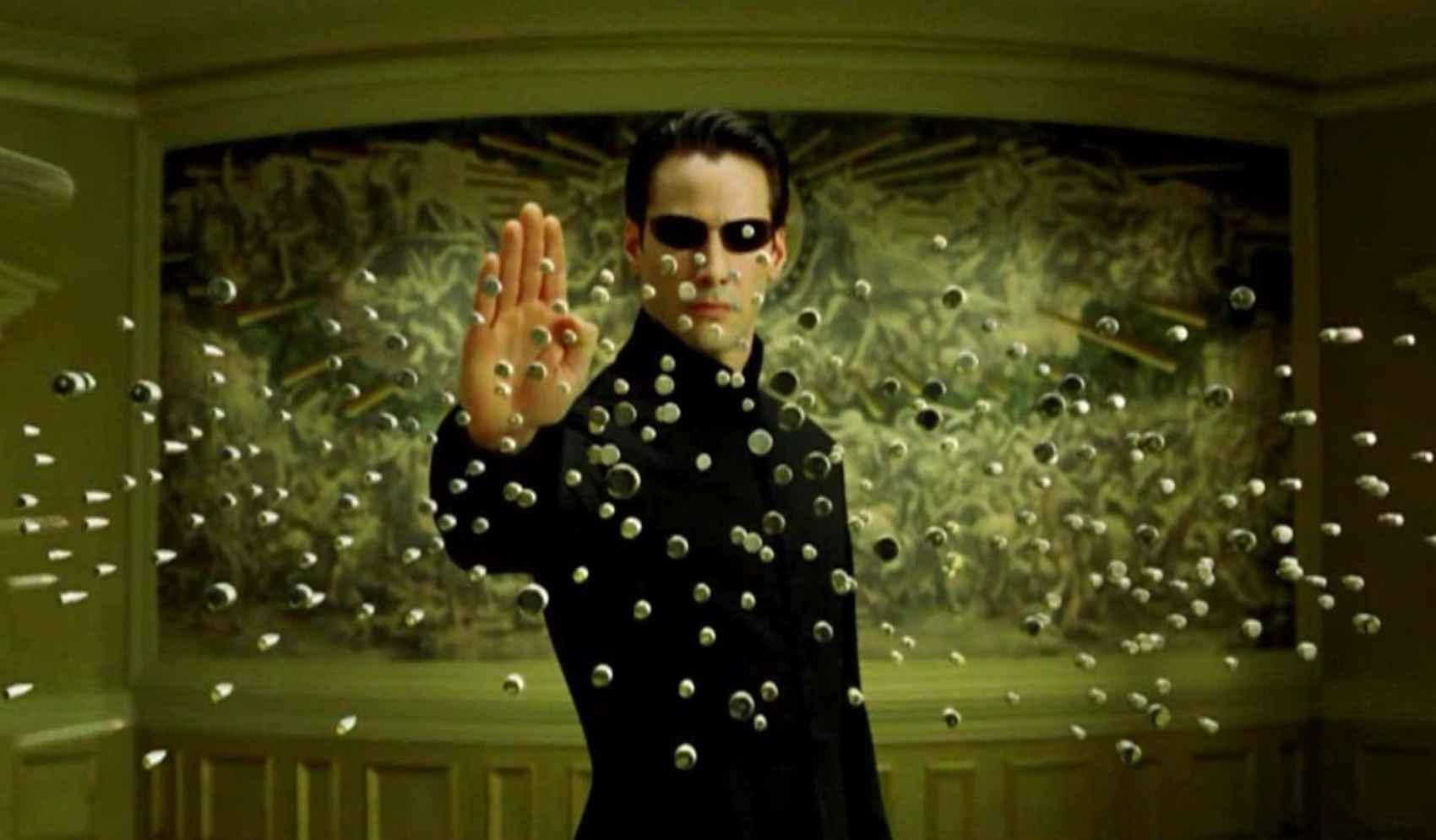
At the heart of ‘The Matrix‘ revolution lies its groundbreaking approach to visual effects, particularly what became known as bullet time. This technique simulated a scene in which the action appears to unfold in surreal slow motion while the camera seems to move at normal speed around the subject. Achieved through a combination of high-speed photography, motion-controlled cameras, and sophisticated digital compositing, bullet time provided audiences with perspectives previously unimaginable. The iconic sequence where Neo, played by Keanu Reeves, dodges oncoming bullets in a fluid arc became a cinematic touchstone. Filmmakers across Hollywood and beyond immediately sought to emulate and adapt this effect, from ‘Charlie’s Angels’ to video games like ‘Max Payne,’ embedding the technology and its aesthetic into the popular consciousness.
Choreographic Innovation and Martial Arts Fusion
Prior to ‘The Matrix,’ Hollywood action choreography generally favored brute strength or straightforward shootouts. The Wachowskis, however, brought in legendary Hong Kong fight choreographer Yuen Woo-ping to train the cast in wire-fu and martial arts techniques. This east-meets-west fusion produced balletic, gravity-defying combat never before seen in Western action films. Characters fought with a precision and fluidity reminiscent of wuxia cinema, yet these sequences were contextualized within a cyberpunk, American narrative structure. This collaboration catalyzed a trend: Western productions increasingly looked to Asian choreographers and techniques, as seen in franchises like ‘Kill Bill,’ ‘Crouching Tiger, Hidden Dragon,’ and ‘John Wick,’ graduating the genre beyond simple physical brawls to elaborately constructed ballets of violence.
Philosophy and Mythology: An Intellectual Aspect
‘The Matrix’ stood apart not just for its visuals, but for intertwining action with philosophical and existential questions. The narrative invited audiences to contemplate reality, free will, and identity, drawing inspiration from thinkers like Jean Baudrillard and motifs from myth and religion. The oft-quoted red pill/blue pill dilemma offers a succinct symbol for the film’s existential stakes. By embedding dense metaphysics within its high-octane sequences, ‘The Matrix’ encouraged other filmmakers to add intellectual rigor and thematic substance to genre cinema, paving the way for more ambitious storytelling in films like ‘Inception’ and ‘Blade Runner 2049.’
Technological Integration and World-Building
A significant innovation was the movie’s flawless incorporation of digital technology into both its storyline and visual presentation. ‘The Matrix’ portrayed a reality where the lines between human existence and digital creations were blurred, foreshadowing discussions about virtual reality and simulation concepts. Visual elements like the flowing green code and severe minimalist architecture grew to be not just iconic, but also indicative of the film’s core ideas concerning awareness and dominance. Thus, the action sequences were not just for show, but intrinsically linked to the movie’s universe creation and emotional impact. Numerous later movies and shows, ranging from ‘Minority Report’ to ‘Westworld,’ have embraced this approach, blending technology and action to enrich their narratives.
Sound, Editing, and Aesthetic Cohesion
The impact of ‘The Matrix’ also extends into its auditory landscape and editing style. The film’s sound design, characterized by high-pass filtered gunshots, digitally manipulated punches, and the inventive use of silence, amplified tension and realism. Composer Don Davis’s score merged electronic music with orchestral bravado, marking a departure from more traditional action soundtracks. The use of rapid-fire editing—coherently choreographing spatial geography even in complex scenes—set a standard for clarity amidst chaos. This meticulous crafting ensured that visual spectacle did not blur narrative comprehension, an issue that plagued many earlier action sequences.
Fostering Diverse Storytelling and Inclusive Talent Selection
A further aspect of ‘The Matrix’s’ enduring impact is its forward-thinking stance on character identity. Although not explicitly stated initially, later examinations and discussions have emphasized motifs of metamorphosis, selection, and defiance that connect with underrepresented identities, such as trans stories—mirroring the personal journeys of the Wachowskis. The movie’s varied cast, notably Laurence Fishburne portraying Morpheus, pioneered more comprehensive portrayal in genre movies, expanding the emotional and audience appeal of action pictures.
Box Office Legacy and Industry Impact
The triumph of ‘The Matrix’ extended beyond its artistic merit to significant commercial achievement. Earning more than $460 million globally on a $63 million expenditure, it showcased a strong demand for groundbreaking action films. The immediate reaction from the industry involved a rise in high-concept, effects-heavy blockbusters, greater financial commitment to digital post-production, and a newfound openness to backing auteur-led ventures with profound philosophical themes. Leading studios expedited the investigation and implementation of green screen technology, motion capture, and digital compositing, quickly enhancing the resources available for this film category.
Lasting Impact and Societal Significance
Twenty years following its debut, the influence of ‘The Matrix’ is clearly evident in modern action films. Expressions such as “I know kung fu” and “the Matrix” itself have become common terms to describe profound, transformative experiences. This movie sparked extensive academic studies, fan interpretations, and numerous artistic tributes, ensuring its enduring cultural relevance across various platforms and age groups.
Annually, ‘The Matrix’ consistently acts as a foundational model and a standard for action movies. Its enduring influence is clear in the contemporary methods creators employ for choreography, thematic richness, technological incorporation, and narrative diversity. It defied established norms, expanded the possibilities for what action cinema could convey, and made a lasting mark on both the artistry and conceptual framework of film narration.