
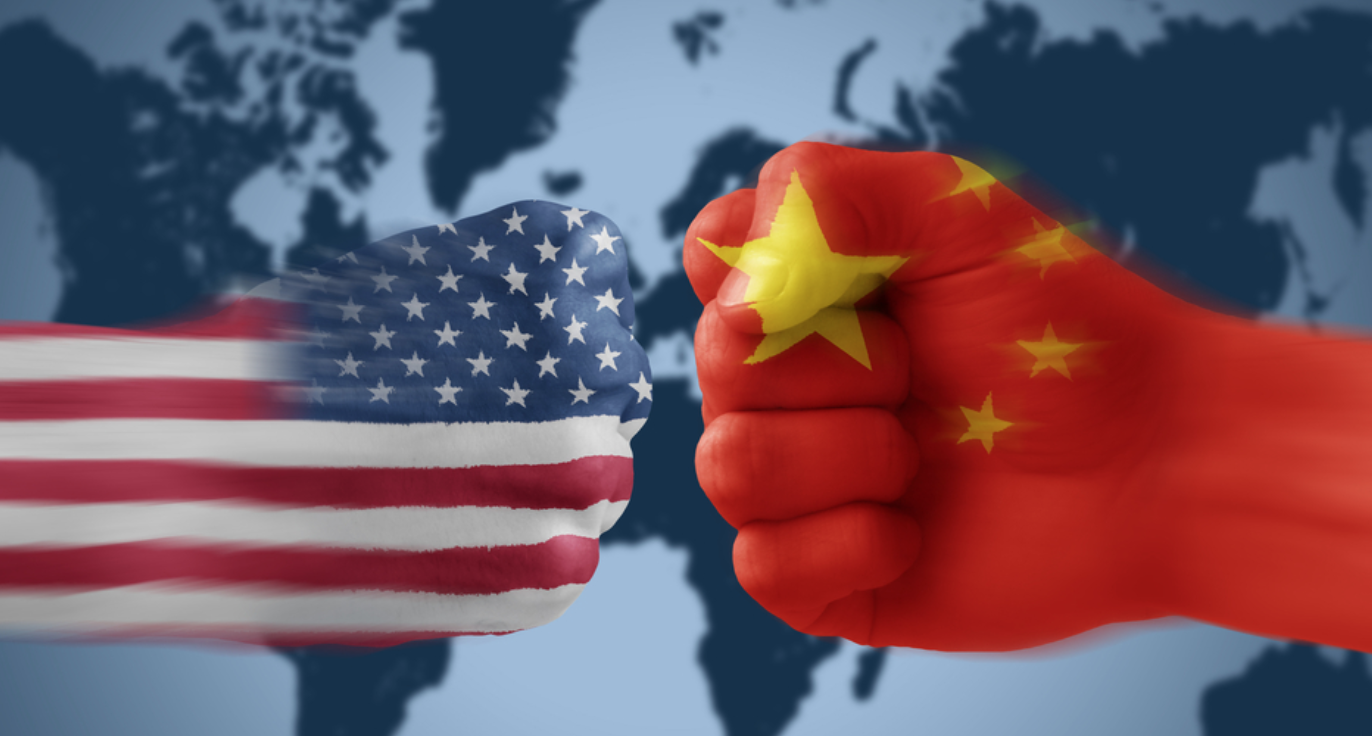
The economic landscape across Asia is experiencing heightened uncertainty following the latest wave of tariff threats from former U.S. President Donald Trump. The aggressive stance on trade, which has long been a hallmark of Trump’s economic policy, is once again casting a shadow over international markets, supply chains, and diplomatic relations. As tensions rise, observers are questioning whether any party truly stands to benefit from this escalating trade friction.
Central to the issue is Trump’s revived emphasis on implementing tariffs to tackle what he views as disparities in the global trade framework. Specifically, Asian economies—numerous of which have developed their growth plans around export-oriented models—are now facing the possibility of encountering new trade obstacles. The repercussions are being experienced not only in China, a major focus of previous tariff implementations, but also in countries like South Korea, Japan, Vietnam, and others whose economies are deeply linked with both Chinese production and U.S. consumer industries.
The suggested tariffs are included in a larger theme promoted by Trump starting with his initial run for the presidency: the belief that unfair trade practices have placed the United States at a disadvantage and that protective actions are required to bring about equilibrium. Although this message has found support among certain parts of the American population, notably in industrial areas affected by manufacturing downturns, its worldwide consequences have been extensive and multifaceted.
Asian markets have reacted with justified nervousness. Several economies in this area depend significantly on exports to the United States, including not only manufactured items but also agricultural goods, electronics, clothing, and car components. The possibility of higher tariffs has raised fears about diminished competitiveness, possible job cuts, and decelerating economic expansion.
The uncertainty is particularly acute for China, which has previously been at the center of trade disputes with the United States. Although Beijing has taken steps to diversify its trade relationships and stimulate domestic consumption, the U.S. remains one of its largest export markets. A renewed trade battle could jeopardize fragile economic recovery efforts in the wake of recent global disruptions.
Other Asian countries, including Vietnam, Malaysia, and India, that have established themselves as alternative centers for manufacturing, also encounter a complex balancing act. On one side, they could benefit from companies moving their supply chains away from China to bypass tariffs. On the flip side, if tariffs are widely applied or global demand decreases, these countries might experience negative effects due to a more extensive economic downturn.
The financial markets have mirrored this rising concern. Asian stock indices have displayed heightened instability, as investors remain cautious about the possibility of interrupted supply chains and decreased company profits. Currency swings have also grown more pronounced as traders evaluate the effects of possible trade limitations on local economies.
Besides the financial impacts, the political implications are considerable. Nations across Asia have historically depended on steady trade connections to bolster their growth. The uncertainty surrounding U.S. trade strategy under Trump’s administration leads to doubts regarding the dependability of the global economic structure that has existed for years. This situation has driven certain countries to hasten initiatives to enhance regional trade deals, like the Regional Comprehensive Economic Partnership (RCEP), aiming to lessen reliance on Western marketplaces.
Despite the turmoil, there are limited signs of clear “winners” in this scenario. While some industries in the U.S. might see temporary gains from increased protectionism, these are often offset by higher costs for consumers and retaliatory measures from affected countries. American farmers, for instance, have previously suffered from diminished export markets when foreign governments imposed counter-tariffs on agricultural products in response to U.S. actions.
In a similar fashion, Asian economies gaining from shifts in supply chains might face long-term unpredictability following short-lived advantages. Businesses hesitate to pour significant resources into new plants if trade regulations keep shifting with political changes. Additionally, the interlinked nature of today’s supply chains indicates that disturbances in one area can trigger global effects, impacting manufacturing, costs, and jobs well beyond the initial point of disruption.
The scenario further highlights the ongoing discussion about globalization and balancing national priorities with global collaboration. Trump’s tariff approach illustrates a wider movement towards economic nationalism that has been gaining popularity in several nations. Opponents claim that although protectionist actions can offer political benefits at home, they frequently weaken the collaborative structures that have supported worldwide economic stability.
From an economic perspective, numerous specialists warn that bringing back strong tariff actions might hinder worldwide expansion during a period when several nations continue to recuperate from the impacts of the COVID-19 pandemic and current geopolitical unpredictabilities. With fluctuating energy costs, ongoing inflationary pressures, and inconsistent consumer demand, the possibility of fresh trade restrictions introduces additional complexity to an already tough economic setting.
The business community, both in Asia and elsewhere, has consistently advocated for stability and predictability in trade policy. Multinational companies that operate across borders require clear rules and minimal disruption to maintain profitability and protect jobs. The reemergence of tariff threats disrupts this stability, forcing companies to reconsider investment plans, supply chain strategies, and long-term growth projections.
Furthermore, it is important to take into account the social repercussions. In numerous Asian nations, industries focused on exporting products offer jobs to countless individuals, mainly in manufacturing fields such as electronics, textiles, and car components. Tariffs that diminish demand for exports might result in factories shutting down, increased unemployment, and social unrest. For governments in this area, this represents a significant issue that goes beyond financial matters to encompass social well-being and political steadiness.
The environmental impact of shifting supply chains is also becoming a concern. As manufacturers seek alternative locations to avoid tariffs, the expansion of industrial activity into new regions may lead to increased resource consumption, environmental degradation, and challenges related to sustainable development. These issues add another dimension to the already complex discussion surrounding global trade policies.
As the debate over tariffs continues, some analysts argue for renewed efforts toward multilateral engagement and reform of international trade institutions. They point out that while the global trading system is not without flaws, solutions are more likely to be effective and sustainable when pursued through negotiation and consensus rather than unilateral action. Rebuilding trust among trading partners and addressing underlying issues such as intellectual property rights, labor standards, and environmental protections could pave the way for a more balanced and resilient global economy.
Meanwhile, Asian nations are actively seeking to manage this uncertain era by expanding economic collaborations, bolstering local development, and enhancing regional relationships. The capability to adjust to evolving global trends will be vital for sustaining stability and encouraging further progress against external challenges.
For the United States, the question persists whether reverting to forceful tariff measures would fulfill the desired economic goals or if it might lead to unforeseen repercussions affecting both national and international arenas. Even though tariffs might provide temporary security for specific sectors, they can also potentially instigate inflation, interrupt supply networks, and create tension in diplomatic relations.
As international economies remain interlinked, the effects of any major alteration in U.S. trade policies will undoubtedly go beyond the boundaries of America. For Asia, the implications are substantial, and the upcoming months will be crucial in assessing how nations in the area adapt to the evolving landscape of global business.
Ultimately, the question of whether anyone truly wins in a tariff-driven trade environment remains open. While protectionism may appeal to political instincts, the long-term health of the global economy depends on collaboration, stability, and the recognition that economic prosperity is often best achieved through cooperation rather than confrontation.