

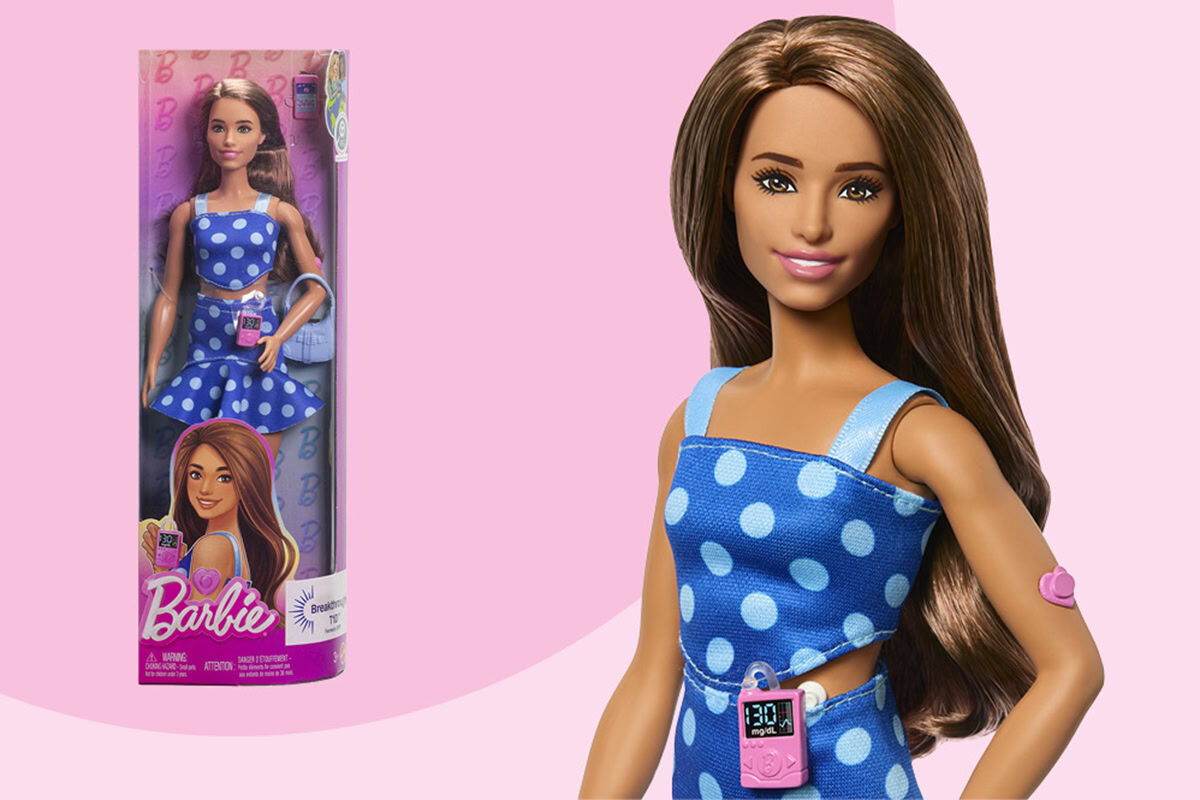
In an effort to highlight the significance of representation and inclusivity in the toy industry, Barbie has unveiled a new doll that embodies the life of living with type 1 diabetes. This development represents an important stride in recognizing the realities encountered by numerous children who deal with this chronic illness on a daily basis, providing them with a relatable figure and promoting wider discussions surrounding health, diversity, and acceptance.
For decades, Barbie has been more than just a toy. She has served as a cultural icon, a symbol of changing societal norms, and a reflection of aspirations and possibilities for children around the world. From careers in medicine, science, and sports to embracing a variety of body types, ethnicities, and abilities, the Barbie brand has evolved to better mirror the diversity of the real world. The introduction of a Barbie with type 1 diabetes is yet another example of this evolution, aimed at fostering understanding and providing comfort to children who live with the condition.
Type 1 diabetes is an autoimmune disease in which the body’s immune system mistakenly attacks the insulin-producing cells of the pancreas. As a result, individuals with type 1 diabetes must carefully manage their blood sugar levels through daily insulin administration, monitoring, and dietary considerations. This lifelong condition requires constant attention, and for children, it can bring a unique set of challenges—both physical and emotional.
The decision to create a Barbie doll that openly represents type 1 diabetes was informed by growing awareness of the need for inclusivity in toys and the recognition that many children do not see their experiences reflected in the products they play with. For children living with diabetes, the new doll not only represents their reality but also helps to normalize the condition, potentially reducing feelings of isolation or difference.
The doll comes with accessories that include a medical device resembling an insulin pump and a continuous glucose monitor—both essential tools in the management of type 1 diabetes. These thoughtful details not only enhance the realism of the doll but also serve an educational purpose, helping other children and adults understand the everyday experiences of those who live with this condition. By including these elements, Barbie contributes to destigmatizing diabetes and encourages empathy among children who may not be familiar with it.
The release of this doll has been welcomed by health organizations, parents, and diabetes advocates, many of whom emphasize the importance of representation in fostering self-esteem and resilience in children. For a young child with type 1 diabetes, seeing a popular and beloved toy that mirrors their own life can be incredibly validating. It sends the message that their condition does not limit their dreams, their identities, or their value.
Beyond the direct effect on youngsters with diabetes, the innovative Barbie additionally plays a significant part in enhancing overall awareness regarding type 1 diabetes. Knowledge of this condition among the public tends to be restricted, with misunderstandings remaining about its origins, management, and everyday effects. By introducing type 1 diabetes into widespread dialogue through a widely known brand, the doll aids in debunking myths and fostering more educated conversations.
The introduction of a Barbie with diabetes is part of a larger movement in the toy sector towards enhanced inclusivity and representation. Lately, there has been a growing demand for toys that mirror the diverse spectrum of human experiences, capabilities, and identities. This has encompassed dolls with artificial limbs, auditory devices, mobility chairs, and varying skin colors, body types, and hair styles. These initiatives correspond with studies indicating that children gain from playing with toys that represent both themselves and others, fostering empathy, comprehension, and self-assurance.
Barbie’s embrace of diversity not only benefits children with specific conditions but also enriches the play experiences of all children. By introducing toys that reflect the world’s diversity, children are exposed to differences from an early age, which can lay the groundwork for greater inclusivity and acceptance in society as they grow older. Play is one of the most formative aspects of childhood, and the toys children engage with can shape their perceptions of themselves and others in profound ways.
For families navigating type 1 diabetes, the new Barbie also opens the door to important conversations. Managing diabetes involves complex routines and an understanding of the body’s needs, which can sometimes be difficult to explain to young children or peers. Having a doll that visually represents this experience can serve as a useful tool for parents, caregivers, and educators to discuss diabetes in a way that is accessible and relatable. It can help demystify the condition and highlight the resilience of those who manage it daily.
The decision to launch a diabetic Barbie also reflects growing consumer demand for brands to demonstrate social responsibility and authenticity. Today’s parents and children are increasingly drawn to products that carry meaningful messages and support values such as inclusion, health awareness, and social good. By listening to the voices of consumers, healthcare advocates, and individuals living with chronic conditions, brands like Barbie can remain relevant and impactful in an ever-changing world.
The significance of the doll extends beyond the toy aisle. It is a reflection of broader societal conversations around representation in media, fashion, entertainment, and education. When children see themselves represented in positive and empowering ways, it can shape their sense of identity and possibility. For children with chronic health conditions, this representation can be particularly powerful, offering reassurance that they are seen, valued, and capable of achieving their dreams.
The introduction of the Barbie with type 1 diabetes also underscores the role that brands can play in advancing health education. By creating toys that reflect real-life conditions, companies have the opportunity to educate not only children but entire communities about health challenges that affect millions of people worldwide. When complex topics such as diabetes are introduced in a child-friendly way, it fosters curiosity, compassion, and understanding, reducing stigma and fostering inclusive mindsets.
As more brands follow suit by expanding their offerings to include diverse experiences, it sets a new standard for what inclusivity means in the marketplace. Representation in toys, books, television, and media is no longer viewed as an optional gesture, but as a necessary reflection of the reality of human diversity. For children with type 1 diabetes, this new Barbie is more than just a toy—it is a sign that their lives and stories matter.
The impact of this new doll is already being felt. Social media channels, parent forums, and diabetes advocacy groups have shared positive reactions from children who feel seen for the first time through this doll. For many young children managing diabetes, this toy serves as a daily reminder that they are not alone, and that living with a health condition does not define them or limit their potential.
Moreover, bringing these toys into play can support building resilience among children by making medical devices and health management tools a regular part of life. Instead of feeling awkward or self-aware, kids might feel proud of handling their health, encouraged by their favorite dolls facing similar situations. This regularization is crucial for enhancing both self-confidence and mental health.
El futuro éxito y la acogida favorable de esta Barbie podrían motivar a otras marcas a seguir ampliando la diversidad en sus productos. Ya sea al reflejar otras condiciones de salud, discapacidades o identidades poco representadas, existe un enorme potencial para que la industria del juguete contribuya a una sociedad más inclusiva a través del juego. Cada figura nueva, cada historia que se cuenta a través de los juguetes, tiene el potencial de influir en cómo las generaciones futuras se ven a sí mismas y a los demás.
The Barbie with type 1 diabetes is a meaningful addition to a brand that has been part of childhood for generations. It represents the recognition that every child deserves to see themselves reflected in the toys they love. As more children hold dolls that mirror their own experiences—whether those experiences involve health conditions, cultural backgrounds, or physical differences—the message is clear: everyone’s story matters.
Through this thoughtful representation, Barbie continues its journey from fashion doll to a symbol of diversity and inclusion. In doing so, it empowers not only children with type 1 diabetes but also all children to embrace differences, foster understanding, and imagine a world where everyone is seen, valued, and celebrated.