

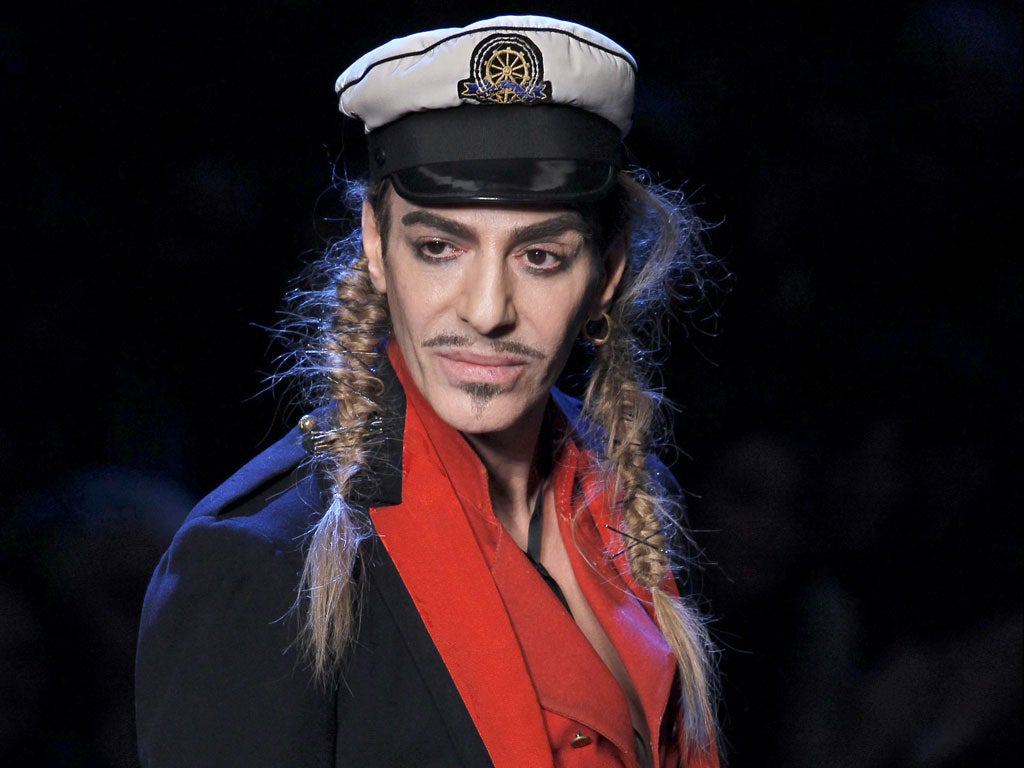
John Galliano has long occupied a singular space in the world of fashion, renowned for a design ethos that seamlessly stitches fantasy to fabric. His style, occupying a threshold between historical reverence and avant-garde innovation, is a tapestry of storytelling, technical prowess, and spectacle. Understanding what makes Galliano’s approach so unique requires examining the core elements shaping his aesthetic: historical references, narrative-driven collections, technical mastery, theatrical showmanship, and a penchant for boundary-pushing creativity.
Historical References as the Cornerstone of Design
Central to John Galliano’s style is an encyclopedic fascination with history. Few designers wield historical reference with such depth and irreverence; instead of mere reproduction, Galliano reinterprets the past through a lens of fantasy. Collections such as his legendary Spring/Summer 1994 runway, “Les Incroyables,” drew directly from the revolutionary dress of French aristocrats after the Revolution, employing extravagantly cut frock coats, dusty pastel hues, and meticulous distressing to evoke both romantic nostalgia and eccentricity. This use of history is never literal; Galliano bends and layers timelines, often merging eras—Edwardian silhouettes spliced with 1980s glam, or 18th-century corsets reimagined for futuristic heroines. This unique temporal dislocation allows his garments to feel both familiar and startlingly new, inviting the wearer and viewer to experience a dialogue between past and present.
Apparel as a Narrative Medium: Stories Unfolding on the Runway
Perhaps more than any modern designer, Galliano treats each collection as a living, breathing narrative. Every runway show unspools a story, with models called upon to inhabit characters: courtly maidens, itinerant sailors, surreal wanderers, and even figures rooted in the designer’s personal history and imagination. The construction of these story arcs is not confined to inspiration boards but fully animates the garments themselves. The Fall/Winter 2000 collection for Christian Dior, for instance, spun a tale around the imagined travels of an aristocratic adventuress across Asia and Russia—paraded out as embroidered military jackets, opulent brocade, elaborate fur trims, and veiled hats, all forming visual chapters in the tale. This narrative impetus infuses Galliano’s work with emotional power and immersive richness that transcend mere aesthetics, offering the viewer an invitation into a world where fashion is as much about myth-making as it is about material.
Technical Brilliance and Experimental Construction
Galliano’s garments are defined by a level of technical virtuosity that is rarely rivaled. Trained at Central Saint Martins, he honed a gift for cut and construction that enables even his most extravagant silhouettes to maintain structural integrity and wearability. His bias-cut gowns, popularized during his time at both his eponymous label and the house of Dior, are celebrated for the way they cling and drape, echoing the transformative sensuality of 1930s Hollywood glamour. Yet his innovations reach beyond revival; Galliano is known to experiment with unconventional draping, fabric manipulation (such as the wet-look silks, scorched edges, and manipulated textures seen in various 1990s shows), and challenging proportions. This relentless push towards the technically complex imbues each piece with depth and dynamism, rewarding close inspection with discoveries of hidden seams, innovative fastenings, and unexpected juxtapositions of fabric.
Theatricality and the Art of Presentation
Integral to Galliano’s signature is the choreographed spectacle of his runway presentations. Unlike many of his contemporaries, for whom the catwalk is a simple vessel, Galliano transforms every show into a performative event. Venue choice becomes part of the message, with past shows staged in the Paris Opera, crumbling ballrooms, and mythic gardens. The models embody not just clothing but characters—with distinct personas, makeup that verges on performance art, and movement that tells stories. Makeup artist Pat McGrath’s exaggerated features, fraying wigs, and theatrical lighting have all contributed to Galliano’s fashion as theater. This immersive approach lingers in the memory, as in the Dior Spring/Summer 2004 “Egyptomania” show, where the entire environment was transformed into a pharaonic fantasy, and the audience transported through a total experience encompassing sound, scent, and spectacle.
Daring Reinvention and Cross-Disciplinary Collaboration
Never content to rest upon recognizable motifs, Galliano’s career is marked by daring acts of reinvention. He continues to disrupt traditional boundaries—not only between history and modernity but also between disciplines. His work for Maison Margiela, for example, blurs the lines between fashion, performance, and conceptual art, employing deconstruction and the anonymity of models in stark white masks. Collaboration with artists, set designers, and musicians further expands the narrative capacities of his shows and garments. His collaborative work for editorial spreads, such as with Steven Meisel for Vogue Italia, demonstrates his ability to infuse narrative and opulence into static imagery, translating runway drama onto the page.
Identity, Provocation, and the Emotional Power of Dress
Galliano’s designs provoke strong emotional responses by challenging notions of gender, identity, and societal norms. He often plays with androgyny, employing both traditionally “masculine” and “feminine” elements in ways that destabilize binary perspectives. The use of makeup, corsetry, and gender-fluid styling well predated wider movements in high fashion, marking his work as both prescient and influential. By challenging expectations—sometimes playfully, sometimes confrontationally—Galliano’s style generates conversations about self-presentation, theatricality, and personal narrative.
An Enduring Impact Born from Imagination
Galliano’s unique style emerges from the convergence of history, narrative, technical prowess, and immersive dramatization. His collections challenge the conventions of fashion by welding romanticism to experimentation, ensuring garments function as vessels for stories as much as statements of luxury. The qualities that distinguish his work—meticulous craft, theatrical storytelling, and intellectual play—have inspired subsequent generations of designers, encouraging a culture of fearlessness and narrative depth. His legacy shows that fashion’s most resonant moments often occur at the intersection of imagination and craft, where each piece worn becomes not just an object, but an experience to inhabit.