
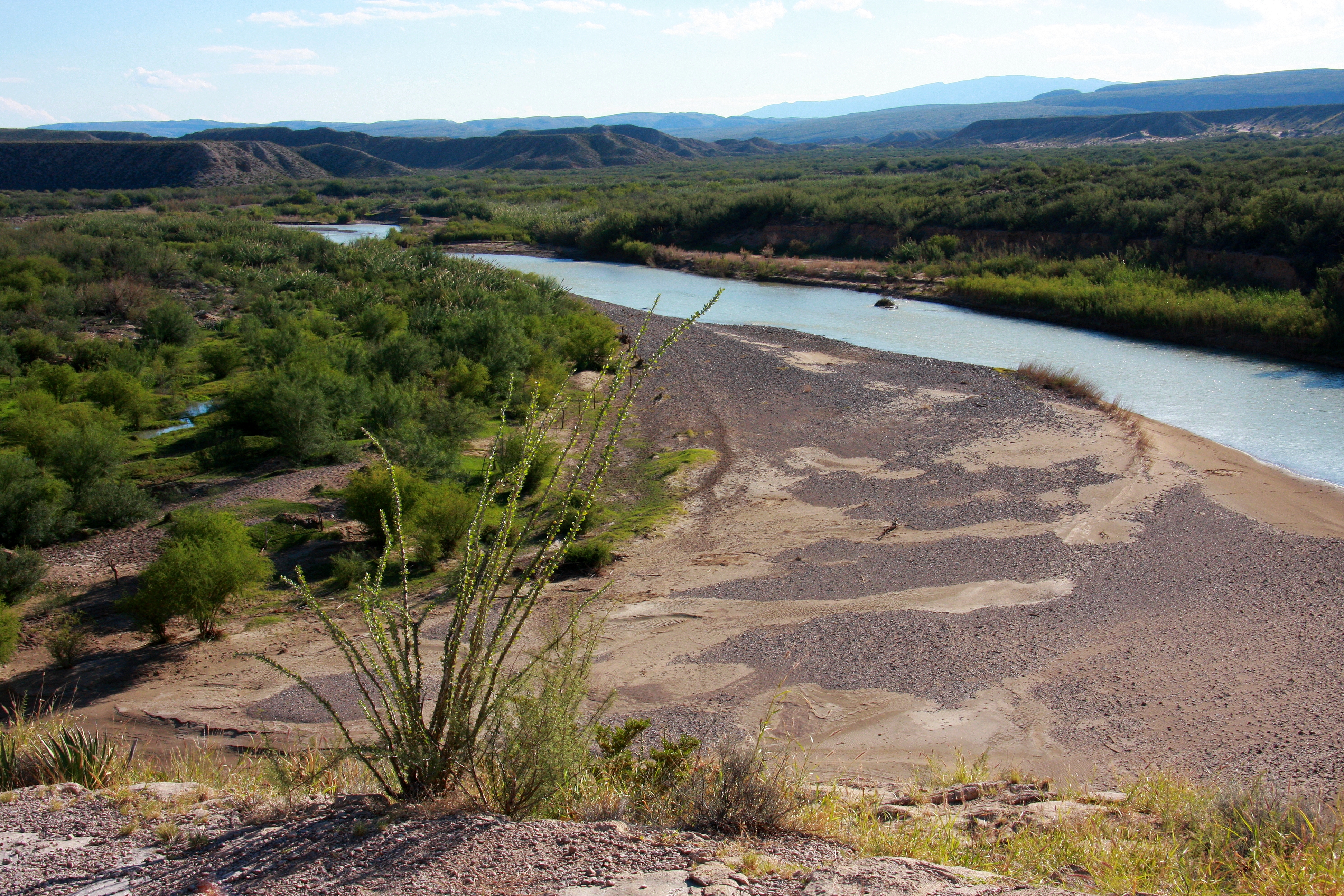
A persistent conflict between the United States and Mexico regarding water-sharing responsibilities is escalating. This is due to sustained drought, increasing temperatures, and changing rainfall patterns putting exceptional strain on vital river systems at the border. Central to the matter is a complicated bilateral treaty that regulates the distribution of water from the Rio Grande and the Colorado River, which are crucial for farming, city water supply, and environmental stability in both countries.
The 1944 Water Treaty, a landmark accord signed more than 80 years ago, outlines how water from these rivers is to be divided. Under its terms, the United States delivers water from the Colorado River to Mexico, while Mexico must release water from its tributaries into the Rio Grande to support U.S. communities downstream, particularly in Texas. While the treaty has largely held up over the decades, growing environmental stressors and demographic demands have placed the arrangement under renewed strain.
Recent years have seen Mexico struggle to meet its delivery obligations, particularly during periods of extreme drought. The most current deficit has reignited frustration among U.S. officials, especially in southern Texas, where communities, farmers, and water managers rely heavily on Rio Grande flows to support irrigation and public use. As tensions mount, calls for diplomatic intervention and treaty enforcement have intensified, with local stakeholders warning of serious economic and environmental consequences if no resolution is found.
Mexican authorities, on their side, cite the severity of drought across northern states such as Chihuahua, where reservoirs are at historic lows and competing domestic demands limit the government’s ability to release additional water for export. With agricultural regions in Mexico also facing crop failures and rural communities struggling with water scarcity, officials have argued that the treaty’s framework must be interpreted with flexibility during extreme conditions.
The cross-border water dispute reflects a broader global challenge: how to equitably share natural resources that cross national boundaries in an era of climate volatility. While the 1944 treaty includes provisions for dispute resolution and cooperation during times of hardship, its language—written during a very different climatic era—does not fully anticipate the scale or intensity of today’s environmental pressures.
To address these gaps, both countries have worked through the International Boundary and Water Commission (IBWC), a binational agency tasked with implementing the treaty and resolving disputes. Through formal meetings and technical discussions, the IBWC seeks to maintain diplomatic dialogue and prevent the conflict from escalating. However, recent talks have yielded limited progress, and time is becoming a critical factor as agricultural seasons begin and urban water demand grows.
In the Rio Grande Valley of Texas, farmers are expressing alarm over dwindling water allocations, which directly impact crop yields and the economic viability of local agriculture. Some irrigation districts have reported drastic reductions in water availability, forcing growers to scale back production or abandon planting altogether. These shortages not only affect food supply chains but also ripple through regional economies that depend on agriculture for jobs and revenue.
Municipalities near the border are expressing their worries as well. With the population rise speeding up on both sides of the United States and Mexico, cities are exerting more pressure on scarce water resources. In places such as El Paso and Ciudad Juárez, authorities are striving to expand water sources, invest in infrastructure, and introduce conservation strategies—yet, these initiatives might fall short if cross-border water deliveries keep decreasing.
Climate change is worsening the issue. Rising temperatures are diminishing the snowpack in the Rocky Mountains, a crucial contributor to the Colorado River’s flow, while unpredictable rainfall patterns complicate planning and managing reservoir releases. Scientists caution that without substantial adjustments, existing water-sharing arrangements could become increasingly difficult to sustain, resulting in heightened tensions among neighboring nations.
In light of the escalating crisis, a number of policymakers are advocating for an update to the 1944 treaty or the creation of additional accords that align with contemporary hydrological conditions. These suggestions encompass improved data exchanges, collaborative investments in conservation and infrastructure, and more flexible management approaches that consider the changing necessities and potential of both nations.
Some suggest adopting a more localized strategy that includes participants beyond national administrations—like regional organizations, municipal water authorities, agricultural producers, and ecological associations—to work together on developing water policies. These initiatives may enhance trust, promote openness, and create creative solutions advantageous for both sides of the boundary.
The situation also underscores the importance of treating water not merely as a commodity, but as a shared resource that requires stewardship, diplomacy, and resilience. Effective water governance, particularly in transboundary contexts, must be grounded in cooperation, equity, and science-based planning. As climate pressures grow, countries that share rivers, lakes, and aquifers will increasingly need to work together to ensure mutual sustainability.
For now, officials in both countries remain engaged in negotiations, but the challenges ahead are significant. With weather patterns becoming more extreme and resource scarcity more common, the need for durable, flexible, and forward-looking agreements is greater than ever.
The dispute over the Rio Grande and Colorado River water allocations is not just a regional issue—it is a preview of the water diplomacy challenges that nations around the world may face in coming decades. What happens along the U.S.–Mexico border could serve as a model—or a warning—for how to manage the complex realities of shared water in a warming world.