

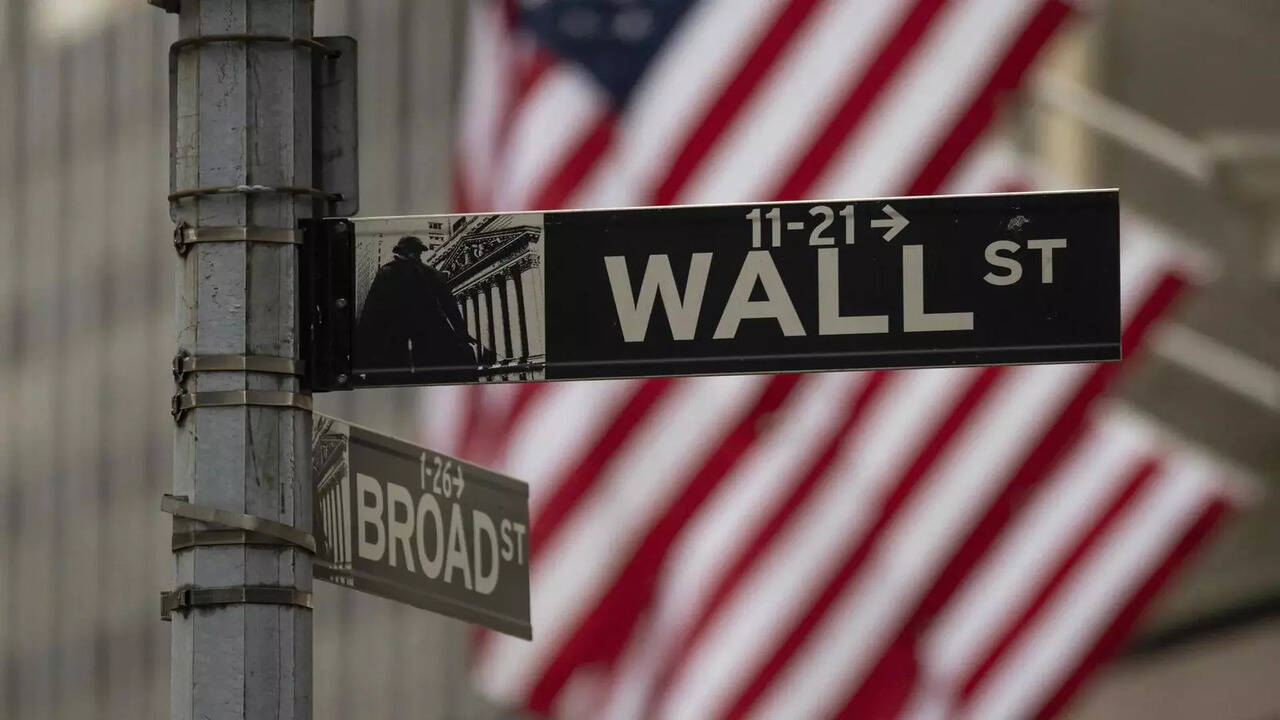
The main stock indices in the United States experienced slight increases on Wednesday as investors dealt with a day of market fluctuations characterized by decreasing energy costs and changing economic forecasts. The Dow Jones Industrial Average increased by 0.6%, while both the S&P 500 and Nasdaq Composite climbed about 0.8%, recouping from losses earlier in the session.
The trading day saw crude oil futures retreat significantly, with West Texas Intermediate closing down 3.2% at $78.45 per barrel after fluctuating throughout the session. Energy sector stocks underperformed the broader market, declining 1.4% as a group, while technology and consumer discretionary shares led the advance. Market analysts attributed the divergent movements to shifting expectations about global energy demand and ongoing adjustments to monetary policy outlooks.
Trade activity stayed high due to institutional investors adjusting their portfolios in anticipation of important economic announcements expected later in the week. The CBOE Volatility Index (VIX), commonly known as Wall Street’s “fear gauge,” dipped a little but stayed above its historical average, indicating ongoing market unpredictability. Sector outcomes showed significant diversity, with eight of the S&P 500’s eleven sectors closing with gains.
Energy market analysts noted multiple factors contributing to oil’s decline, including a stronger U.S. dollar and reports of rising inventories at the Cushing, Oklahoma storage hub. The price drop occurred despite ongoing geopolitical tensions in major oil-producing regions, suggesting traders are currently more focused on demand concerns than supply risks.
In corporate news, several major retailers posted better-than-expected earnings, helping lift consumer-focused stocks. Market participants also reacted to the latest Federal Reserve meeting minutes, which reinforced expectations for continued caution regarding interest rate adjustments. Treasury yields edged lower across most maturities, with the 10-year note yield settling at 4.28%.
The activity in the market today highlighted the ongoing efforts of investors to weigh different economic stories. Although the reduction in energy costs provided some ease from worries about inflation, experts mentioned continuous doubts regarding the endurance of corporate profit growth and the possible effects of stricter lending environments.
Market technicians observed that Wednesday’s advance helped major indices regain their footing after recent losses, though trading ranges remained relatively narrow compared to historical volatility patterns. The session’s moderate gains occurred on breadth that favored advancing issues over decliners by about a 2-to-1 ratio on the New York Stock Exchange.
As the week of trading continues, it is anticipated that investors will pay more attention to the forthcoming employment figures and their possible effects on financial policies. The varied outcomes from the session on Wednesday – with stocks rising and raw materials declining – underscore the complicated dynamics that are presently influencing the finance markets. Numerous asset managers seem to be adopting cautious strategies while selectively increasing their stake in sectors demonstrating relative robustness.
The fragility of the energy sector was in stark contrast to the robustness in industrial metals, with copper futures increasing by 1.3% due to worries about supply. This disagreement indicates that markets are considering varying demand expectations for different categories of commodities, highlighting the irregular nature of the worldwide economic rebound.
Looking ahead, analysts suggest the market may continue experiencing rotational rather than broad-based movements, with different asset classes and sectors reacting to specific catalysts. The interplay between equity valuations, commodity prices, and interest rate expectations appears likely to remain a dominant theme in the near term, keeping volatility elevated compared to historical norms.
Wednesday’s session ultimately demonstrated the resilience of equity markets in the face of multiple headwinds, though trading patterns indicated continued caution among market participants. The simultaneous movements in stocks and commodities highlighted the complex balancing act investors face as they attempt to position for an economic environment that remains in flux.
Financial experts point out that these types of mixed trading sessions have become more frequent as the markets interpret contradictory indications regarding potential economic growth, inflation patterns, and central bank directives. The skill to steer through these opposing forces might be crucial for investment results in the upcoming months, with decisions on asset distribution possibly being more significant than choosing particular securities.
As the second half of the year progresses, market participants will likely continue weighing the implications of moderating but still-elevated inflation against signs of economic softening in certain sectors. Wednesday’s market action provided another chapter in this ongoing story, demonstrating both the persistence of certain trends and the potential for sudden reversals in today’s volatile trading environment.