

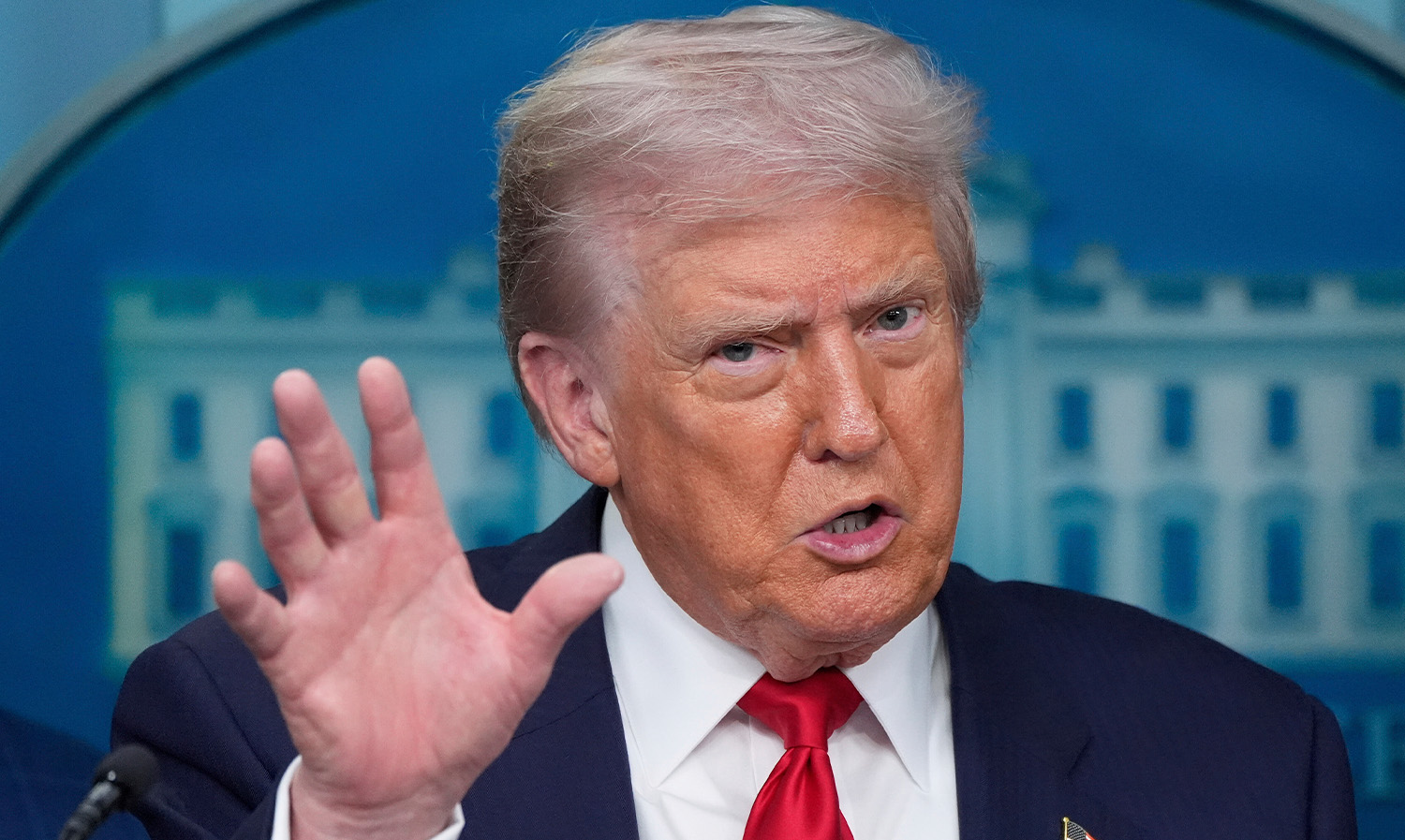
Former U.S. President Donald Trump has made headlines once again with a bold pledge: to slash prescription drug prices by an astonishing 1,500%. While the claim has generated buzz among his supporters and sparked debate across the political spectrum, the sheer scale of the number has left many experts, analysts, and everyday Americans questioning exactly what such a figure means, whether it is mathematically possible, and how it might be achieved in practice.
At face value, the promise is eye-catching. Drug prices have been a persistent source of frustration for millions of Americans, with rising costs affecting not only patients but also insurers, hospitals, and state budgets. The idea of slashing prices to a fraction of their current levels is appealing, particularly to those who struggle each month to afford critical medications. However, when the number in question exceeds the total cost of the product itself—something a “1,500% reduction” would imply—it inevitably raises questions about the accuracy and intent behind the statement.
To assess the practicality of such a claim, examining the mathematics is crucial. In simple terms, a complete 100% reduction means the product would have no cost. Exceeding this—especially achieving 1,500%—is inconsistent with traditional pricing principles. A decrease of 1,500% implies not only removing the cost altogether but also compensating consumers multiple times for acquiring the medication, which is not a standard procedure in any market, particularly not in the pharmaceutical sector.
This has caused analysts to think that the number might be more figurative than exact, meant to highlight the intensity of Trump’s discontent with existing pricing frameworks, rather than act as an exact mathematical policy proposition. Trump is known for employing exaggerated language to draw attention and shape policy discussions, and this comment seems to adhere to that trend.
Still, underneath the exaggerated figure lies a real and ongoing policy issue: the exceptionally high cost of prescription medications in the United States compared to other developed countries. The U.S. pharmaceutical market is unique in that it allows for drug prices to be set largely by manufacturers, without government-imposed caps seen in countries with single-payer systems or more aggressive price negotiation frameworks. As a result, some drugs cost several times more in the U.S. than they do elsewhere, leading to public outrage and increasing calls for reform.
Trump’s previous record on drug pricing offers some insight into how he might approach the problem if given the opportunity. During his presidency, he pushed for a “most favored nation” rule, which would have tied U.S. drug prices to the lower prices paid by other wealthy nations. That proposal, however, faced intense pushback from the pharmaceutical industry and was ultimately blocked in court. He also signed executive orders intended to allow the importation of certain drugs from Canada, where prices are lower, though these initiatives faced logistical and legal hurdles that prevented them from being widely implemented.
The 1,500% number is best comprehended when seen within the larger framework of Trump’s political agenda. By delivering an extraordinary commitment, he presents himself as an advocate for consumers, simultaneously portraying his adversaries—be they Democrats, industry leaders, or bureaucrats—as protectors of an unfair system. In truth, any meaningful decrease in medication costs would necessitate collaboration among Congress, regulatory bodies, and the pharmaceutical industry, as well as substantial modifications to patent legislation, rules on pricing transparency, and Medicare’s ability to negotiate.
Economic specialists caution that while substantial reductions in prices might decrease expenses for patients initially, they could also lead to unforeseen effects. The pharmaceutical sector frequently states that elevated drug costs support research and development, facilitating the discovery of novel therapies. They argue that a sharp decline in profits could hinder innovation and lower the quantity of new medications reaching the market. Opponents of this perspective argue that a significant portion of the industry’s R&D funding comes from taxpayers via grants and government-supported research initiatives, and that pharmaceutical firms often allocate more funds to marketing than to the creation of new treatments.
For patients, the stakes are tangible and immediate. Many Americans ration medications, skip doses, or go without treatment altogether because of high costs. In life-or-death cases—such as insulin for diabetics or chemotherapy drugs for cancer patients—unaffordable prices can have devastating consequences. The public’s frustration is not unfounded, and politicians of both parties have recognized the political potency of promising relief.
Trump’s latest statement taps into this frustration but leaves many details unaddressed. Which drugs would be subject to these dramatic price cuts? Would the reductions apply to brand-name drugs, generics, or both? How would the government enforce such cuts in a largely private, market-driven healthcare system? Without answers to these questions, the promise remains more of a headline-grabber than a concrete policy plan.
Here’s the text in English, following your guidelines:
The political equation is straightforward: the issue of drug costs resonates across party lines, providing a potent theme for electoral campaigns. However, implementing changes is significantly more challenging. Previous initiatives to reform the system have faltered due to the sway of pharmaceutical lobbyists, the intricacy of American healthcare regulations, and the worldwide characteristics of the drug supply chain. Any decisive action on pricing would probably encounter prolonged legal disputes and opposition in the political arena.
Currently, minor and gradual changes have proven to be somewhat effective. The Inflation Reduction Act, enacted during President Biden’s term, introduced policies enabling Medicare to discuss prices for specific expensive medications for the first time and imposed limits on insulin costs for the elderly. Although these changes are less comprehensive than Trump’s expansive language, they signify concrete progress toward making healthcare more affordable.
Whether Trump’s claim of a 1,500% increase is ultimately viewed as a genuine policy proposal, an embellishment, or merely part of an electoral performance will be determined by its evolution in the coming months. Currently, it exemplifies how political discourse can obscure the distinction between aspirations and reality—particularly on topics as intimate and economically challenging as the expenses associated with healthcare.
The underlying truth is that Americans pay far more for prescription drugs than citizens in comparable nations, and addressing that disparity will require a sustained, multifaceted approach. Whether through negotiation, regulation, or restructuring of the pharmaceutical market, the goal of lowering costs is widely shared. The challenge lies in moving from grandiose promises to workable, legally sound, and economically sustainable solutions—something no administration, Republican or Democrat, has yet managed to fully achieve.