

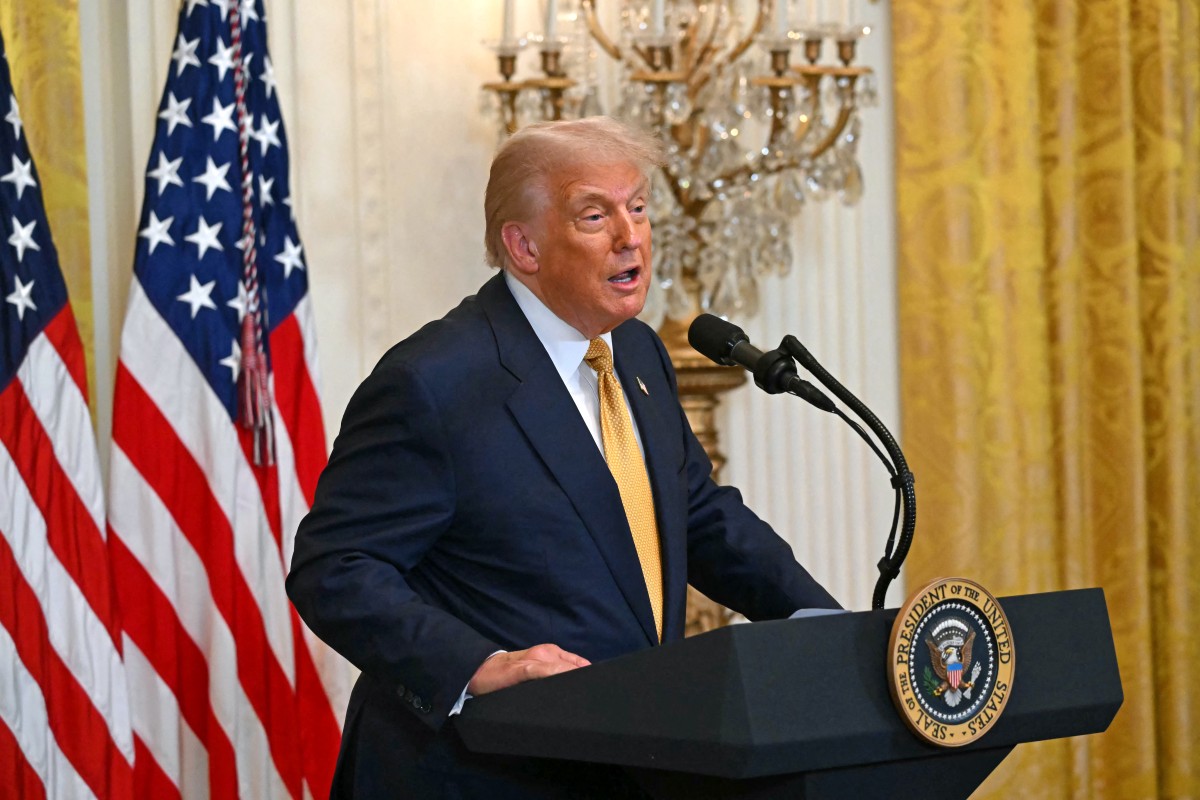
Former United States President Donald Trump announced that a trade deal with Japan had been completed while he was in office, describing it as an important advancement in enhancing economic ties between the two countries. This statement was part of Trump’s larger initiative to reshape U.S. trade policy during his presidency, aimed at obtaining more advantageous terms in current agreements and creating new bilateral deals with crucial international allies.
According to Trump, the agreement aimed to open up Japanese markets to a wider range of American agricultural products while reducing certain tariffs that U.S. exporters had long considered barriers to competition. In return, the United States committed to reducing duties on a selection of Japanese industrial goods, a move intended to enhance reciprocal market access. The deal, while limited in scope compared to a full free-trade agreement, was portrayed by both governments as a foundational step toward deeper economic collaboration.
The trade pact emerged in the aftermath of the United States’ withdrawal from the Trans-Pacific Partnership (TPP), a multilateral trade agreement that had included Japan and several other Pacific Rim countries. Following the U.S. exit from the TPP in 2017, the Trump administration sought to pursue bilateral trade arrangements that it argued would better serve American interests and correct perceived imbalances in trade relationships. Japan, in turn, signaled a willingness to negotiate a new framework to ensure continued economic cooperation with the U.S. despite the abandonment of the broader TPP framework.
For U.S. farmers, the deal promised improved access to one of the world’s largest and most affluent consumer markets. Agricultural producers, particularly in the beef, pork, dairy, and wheat sectors, had expressed concern that without a trade agreement with Japan, they risked losing ground to competitors from countries that remained part of the TPP, now known as the Comprehensive and Progressive Agreement for Trans-Pacific Partnership (CPTPP). The U.S.–Japan agreement sought to restore competitive parity by securing tariff reductions similar to those enjoyed by CPTPP member states.
On the Japanese end, the accord provided advantages to producers and exporters of specific equipment, industrial resources, and electronics for consumers, sectors where Japan holds a significant global standing. Japanese representatives highlighted that the agreement also emphasized the strategic significance of the U.S.–Japan partnership, both in terms of economics and global politics.
While the agreement did not touch on the complex issue of automobile tariffs—an ongoing point of contention between the two countries—it was viewed as a positive development, potentially paving the way for more comprehensive negotiations in the future. Trump emphasized that the deal signaled a renewed commitment to a “fair and balanced” trading relationship, one that he claimed had been lacking under previous arrangements.
The announcement drew mixed responses from economic analysts and trade experts. Supporters applauded the administration’s pursuit of bilateral agreements tailored to national interests and highlighted the potential gains for American agriculture. Critics, however, noted that the agreement lacked the breadth and enforcement mechanisms typical of more comprehensive trade deals. Some argued that rejoining a multilateral framework like the CPTPP might have yielded greater strategic and economic benefits in the long term.
Nonetheless, the deal was welcomed by business communities in both countries. U.S. agricultural associations expressed optimism that the agreement would help stem market share losses in Japan, while Japanese exporters looked forward to smoother access to the U.S. market for select goods. The signing of the agreement was seen as a moment of stability amid an often turbulent period for international trade, marked by escalating tensions between the U.S. and other trading partners, particularly China.
Beyond the immediate impacts on commerce, the agreement between the U.S. and Japan held wider geopolitical importance. Being two of the world’s largest economies and long-established allies, the economic collaboration between Washington and Tokyo is vital for ensuring stability in the Asia-Pacific region. The agreement highlighted a common interest in maintaining open markets, safeguarding intellectual property, and supporting trade practices based on established rules.
The deal also reflected a shift in global trade dynamics during the Trump presidency, with the U.S. moving away from large-scale multilateral agreements in favor of country-to-country negotiations. This approach was part of Trump’s broader “America First” economic agenda, which prioritized renegotiating trade deals to reduce U.S. trade deficits and reclaim manufacturing jobs. While this strategy generated political support among some domestic constituencies, it also raised concerns about the erosion of multilateral institutions and norms.
Looking forward, the U.S.–Japan trade agreement set a precedent for future bilateral negotiations with other countries, particularly those in Asia and the Pacific. Whether future administrations continue along this path or revert to multilateral frameworks remains to be seen. What is clear, however, is that the agreement marked an important milestone in one of America’s most strategic economic relationships.
For Japan, the accord represented both a chance and a hurdle. Although it ensured ongoing access to the U.S. market, Japanese authorities were still wary of the overall consequences of the uncertain nature of U.S. trade policies. Nevertheless, by resolving disagreements and finalizing a deal amid difficult conditions, both countries illustrated the strength and flexibility of their alliance.
The announcement by former President Trump of a completed trade agreement with Japan represented a key moment in U.S. trade policy. Though narrower than traditional trade pacts, the agreement delivered tangible benefits to vital sectors in both economies and reaffirmed the value of bilateral cooperation. As global trade continues to evolve, such deals may play a growing role in shaping economic relationships in the years to come.