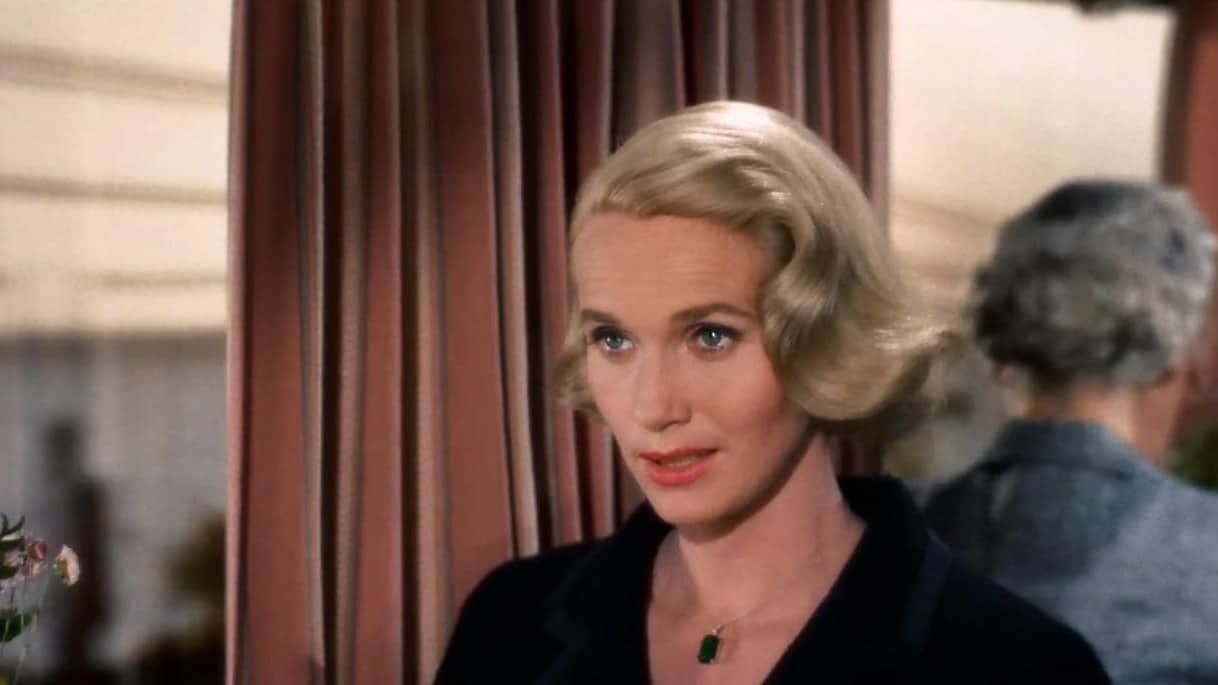


The word “retro” evokes nostalgia and a renewed appreciation for earlier aesthetics and atmospheres, yet what truly characterizes a retro trend and why does it connect so powerfully with audiences across generations? This exploration delves into the essence of retro trends, following their origins, observing how they influence diverse industries, and presenting examples that highlight their lasting appeal.
The Essence of Retro Trends
A retro trend refers to the revival of styles, designs, and ideas from previous decades. It often involves updating or reimagining these elements to fit contemporary tastes or needs. Such trends usually gain momentum by tapping into nostalgia, providing consumers with a sense of familiarity and comfort. Retro styles may surface in fashion, music, technology, interior design, and virtually all cultural and commercial arenas.
Historical Context and Evolution
Retro trends have emerged over many decades, each period defined by its own signature features, and the enduring fascination with retro has historically stemmed from recurring shifts in cultural taste; within fashion, past styles often return every 20 to 30 years, giving newer generations an opportunity to experience looks they never witnessed themselves, and the energetic hues and striking motifs of the 1970s, for instance, have resurfaced time and again in modern fashion lines.
Movies and television also play a crucial role in reintroducing retro styles. Consider the success of shows like “Stranger Things,” which sparked a renewed interest in the 1980s through its setting and storyline, influencing apparel, soundtrack styles, and even home décor.
Vintage-Inspired Trends Emerging Across Diverse Industries
1. **Fashion: The fashion industry is perhaps the most visible arena where retro trends emerge. High-waisted jeans, vintage jewelry, and flared trousers often swing back into vogue, celebrating past aesthetics while integrating modern fabric technology.
2. Technology: Retro tendencies in technology typically merge sentimental appeal with contemporary practicality. Devices like Polaroid cameras and turntables combine nostalgic charm with refreshed capabilities. In the same way, gaming consoles often introduce retro editions of classic titles, drawing in longtime fans as well as new audiences.
3. Interior Design: Within home décor, retro elements surface through mid-century modern furniture, throwback wallpaper motifs, and timeless color schemes like avocado green and burnt orange, while interiors are often adorned with emblematic pieces from earlier eras, merging nostalgic charm with modern sensibilities to achieve a lasting appeal.
4. Music: Retro movements in music frequently bring back the sonic textures and production styles of past decades, as vinyl records surge in popularity and streaming platforms highlight curated ’80s pop or ’90s R&B playlists that deliver a warmly nostalgic listening vibe.
The Psychological Appeal of Retro Trends
The popularity of retro trends can be attributed to a deep-seated psychological phenomenon known as “nostalgia,” which imbues past experiences with warmth and positivity. This emotional response enhances consumer willingness to engage with products or ideas that trigger fond memories. Additionally, retro trends offer predictability and comfort in uncertain times, further boosting their attractiveness.
Retro trends embody a dialogue between the past and present, enabling consumers to revisit cherished memories or explore bygone eras. This fusion of nostalgia and innovation fosters continual rediscovery and reinvention. As society evolves, retro trends will likely persist, connecting disparate generations over mutual appreciation for the aesthetic and cultural elements of history. The enduring cycle of retro highlights humanity’s affection for cherished moments and ever-evolving creativity.