

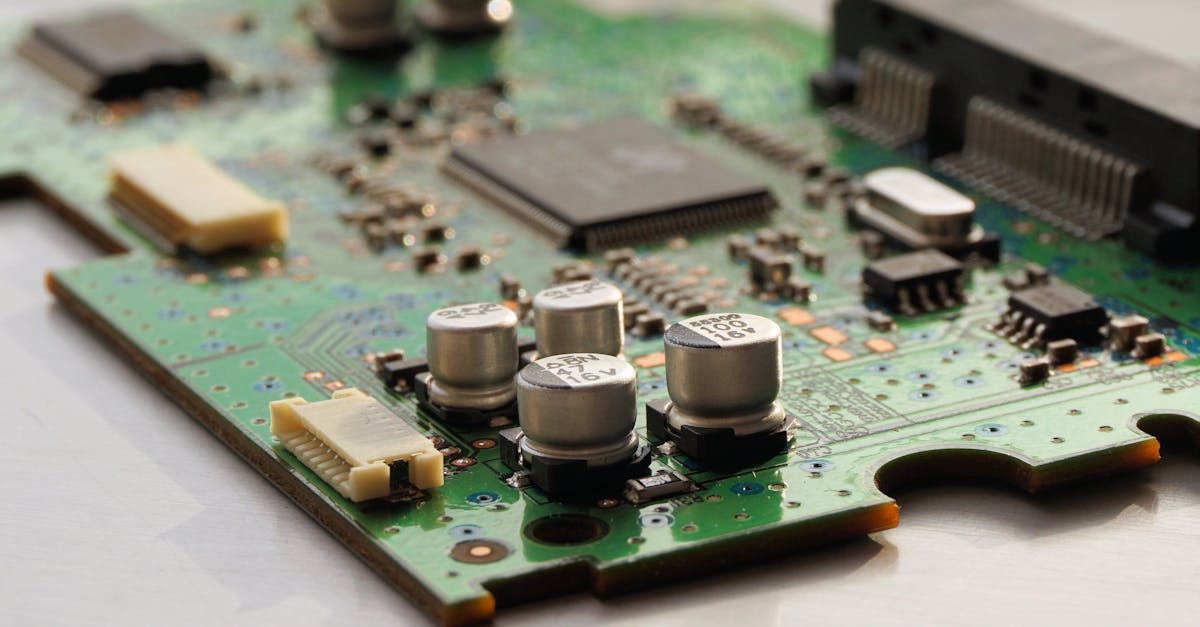
The term “chip race” evokes a worldwide push to secure dominance in semiconductor design, manufacturing, equipment and supply-chain control, with chips serving as the core technology behind smartphones, data centers, electric vehicles, telecom systems, medical tools and modern defense hardware, so when access to cutting-edge processors tightens, entire industries and national plans feel the strain, prompting companies, governments and research institutions to invest heavily in funding, policy and influence to shape the future of chip development.
What’s on the line
- Economic growth: Cutting-edge chip fabrication and engineering foster well-paid employment, strengthen export flows, and diffuse technological gains across numerous sectors.
- National security: Semiconductors function as dual-use components vital to civilian systems and defense capabilities, making heavy reliance on external sources a significant strategic hazard.
- Technological leadership: Command of advanced process nodes, AI-oriented accelerator hardware, and next-generation packaging shapes the pace at which future innovations emerge.
- Supply resilience: Shortages during the COVID period demonstrated how a concentrated supply network can unsettle automotive production, consumer electronics output, and other industries.
Primary factors shaping the race
- Explosion of compute demand: Generative AI, large language models, cloud services and high-performance computing require vast quantities of specialized chips—GPUs and AI accelerators—pushing demand for advanced nodes and memory.
- Geopolitics and security: Export controls, investment screening and industrial policy are being used to limit rivals’ access to advanced technology and to secure critical supply lines.
- Supply shocks and dependencies: Factory outages, pandemic-related disruptions, and natural disasters highlighted the risk of overreliance on a few facilities or regions.
- Economic competition: Countries see semiconductor leadership as a lever for long-term competitiveness and are subsidizing local capacity.
The leading figures in the field
- Foundries: Companies that manufacture chips for others, led by companies that dominate advanced-node production. A small number of foundries control most capacity at the leading-edge nodes.
- Integrated device manufacturers: Firms that design and make chips in-house while expanding foundry capabilities to compete for external customers.
- IDMs and fabless designers: Large designers and fabless companies drive demand for specialized logic, analog and AI chips.
- Equipment suppliers: Firms that build lithography machines, deposition systems and metrology tools are chokepoints—certain advanced machines are only available from one or two suppliers worldwide.
Examples and context:
- A single supplier largely controls the market for extreme ultraviolet (EUV) lithography systems, equipment that is indispensable for crafting the most advanced logic semiconductors.
- Top-tier foundries manufacture most chips at state-of-the-art process nodes, while other areas concentrate on mature-node output that remains crucial for industrial and automotive applications.
Technical battlegrounds
- Process nodes and transistor architecture: The industry pushes smaller transistor dimensions (measured in nanometers) and new transistor designs. Progress is slowing compared with the earlier decades of Moore’s Law, requiring more innovation and investment per generation.
- Lithography: EUV machines enable the smallest features; access to these machines is limited and tightly controlled.
- Packaging and chiplets: Heterogeneous integration and chiplet-based designs are reducing the need to put everything on a single die, offering performance and cost benefits while shifting the system integration challenge.
- Design software: Electronic design automation (EDA) tools are a strategic asset—only a handful of companies supply the advanced tools needed for leading-edge chips.
Government actions and the funding at stake
Governments are responding with industrial strategies, financial support, and export limits to shape desired outcomes:
- Subsidies and incentives: Multiple governments have unveiled or approved large-scale funding packages designed to lure fabrication facilities, advance research efforts, and lessen reliance on imported components.
- Export restrictions: Measures limiting the sale of equipment and chips are intended to curb competitors’ access to essential technologies.
- Alliances and trusted supply networks: Nations are forming cooperative agreements and shared investment initiatives to guarantee that partner countries maintain access to production and design resources.
These policies accelerate capital expenditure: wafer fabs cost tens of billions of dollars, and building capacity requires long lead times measured in years.
Practical consequences and illustrative cases
- Automotive shortages: During the 2020–2022 shortages, automakers paused production and delayed model launches because microcontrollers and power-management chips were unavailable. Production cuts affected millions of vehicles globally and led to higher prices for used cars.
- Consumer electronics: Gaming consoles and phones experienced constrained supply around product launches when demand outstripped available silicon and packaging capacity.
- Cloud and AI demand shocks: Surging data-center demand for GPUs and accelerators strained supply chains and forced manufacturers to prioritize high-margin datacenter customers, influencing availability and pricing for other industries.
- Geopolitical friction: Export controls and investment restrictions have forced companies and countries to rethink sourcing strategies and accelerate local development efforts.
Risks, trade-offs and unintended consequences
- Duplication and inefficiency: Building redundant capacity across many countries can raise global costs and slow innovation if scale efficiencies are lost.
- Fragmentation of standards: Geopolitical separation may split ecosystems—design tools, IP blocks and supply relationships—adding complexity and cost for global companies.
- Environmental impact: New fabs consume large amounts of water and energy, creating sustainability and community concerns that must be managed.
- Workforce shortages: Rapid expansion requires highly skilled engineers and technicians; training and education are critical bottlenecks.
What to watch next
- Investment timelines: New fabs take years to build and ramp. Watch announced projects and their expected online dates to judge future capacity balances.
- Technological shifts: Advances in packaging, novel transistor architectures, and alternative compute paradigms (photonic, quantum, specialized accelerators) could change competitive dynamics.
- Policy moves: New subsidy programs, export control adjustments, and international agreements will reshape where and how chips are made and sold.
- Consolidation and partnerships: Expect more joint ventures and alliances between designers, foundries, equipment makers and governments to manage risk and share cost.
The chip race goes far beyond merely reducing transistor sizes; it has evolved into a complex rivalry intertwined with national security, international commerce, corporate maneuvering and technological progress. Its results will influence which regions oversee essential supply chains, how rapidly emerging AI and connectivity solutions expand and how well global industries withstand upcoming disruptions. Striking the right balance among investment, openness, trust and sustainability will determine whether this race delivers widely shared gains or intensifies division and vulnerability.