

In the last twenty years, Riccardo Tisci has become a key figure at the intersection of high-end fashion and streetwear. His unique approach, derived from a deep knowledge of both haute couture and urban culture, has reshaped the limits of what luxury streetwear signifies in the contemporary world. Examining his perspective highlights not only the transformation of this style but also the broader changes within the current fashion industry.
Initial Impact and Perspective
Riccardo Tisci’s background played a significant role in crafting his unique approach. Born in Taranto, Italy, Tisci later moved to London to study at Central Saint Martins, a pivotal institution for avant-garde fashion. Emerging onto the design scene in the early 2000s, he cultivated an aesthetic marked by contrasts: soft romanticism fused with dark, almost gothic, undertones. This dual sensibility would underpin his later work at the helm of Givenchy and Burberry.
Even before streetwear became a buzzword in luxury circles, Tisci had already begun integrating elements commonly associated with street culture into high fashion. He drew from music subcultures, sports motifs, and the codes of hip hop, all without surrendering the technical rigor demanded by couture.
The Givenchy Renaissance: Luxury Embraces the Street
Tisci’s arrival as Creative Director of Givenchy in 2005 signified a pivotal shift. By taking strategic risks and embracing innovation, he transformed the traditional French brand to appeal to a fresher, more international demographic. Tisci’s menswear lines were particularly groundbreaking, introducing graphic tees, sweatshirts, creative tailoring, and bomber jackets, frequently embellished with striking designs and religious symbols.
One of the most iconic examples is the Givenchy Rottweiler sweatshirt from the Fall/Winter 2011 collection. Priced well above standard streetwear yet styled for casual wear, this garment became a status symbol. Celebrities and music artists, including Kanye West and Jay-Z, wore Tisci’s designs, amplifying the resonance of luxury streetwear. Tisci’s signature blend of high craftsmanship and accessible forms ultimately became a template for other luxury brands.
Famous Partnerships and Influencer Sponsorships
Tisci understood the power of collaborations and cultural alliances. He frequently worked with streetwear icons and musicians, broadening Givenchy’s audience. His close relationship with Kanye West resulted in custom fashion pieces for the *Watch the Throne* tour, further cementing the mutual influence between hip hop and luxury labels.
Campaigns frequently featured a mix of top models and music artists. Tisci was the first to place a black male model on a Givenchy men’s runway, advocating for inclusivity in a sector that frequently ignored it. This approach, combined with street-style elements, played a role in reshaping the image of high-end luxury.
Design Guidelines: Fusion of Materials and Shapes
Another critical element in Tisci’s legacy is the hybrid nature of his creations. Tisci often juxtaposed formal tailoring with street culture silhouettes, blending materials like neoprene, jersey, and high-grade leathers. The visual language incorporated basketball shorts styled with blazers, oversized sweatshirts paired with intricately embroidered shirts, and backpacks finished with premium metal hardware. Through these choices, Tisci challenged the dichotomy between workwear and evening wear, suggesting new ways for men and women to express themselves.
The prominent use of prints—such as stars, animal motifs, and baroque flourishes—spawned countless imitations but also set the tone for a genre where street iconography was elevated to the status of lavish ornamentation.
Influence at Burberry: The Widening Access to Tradition
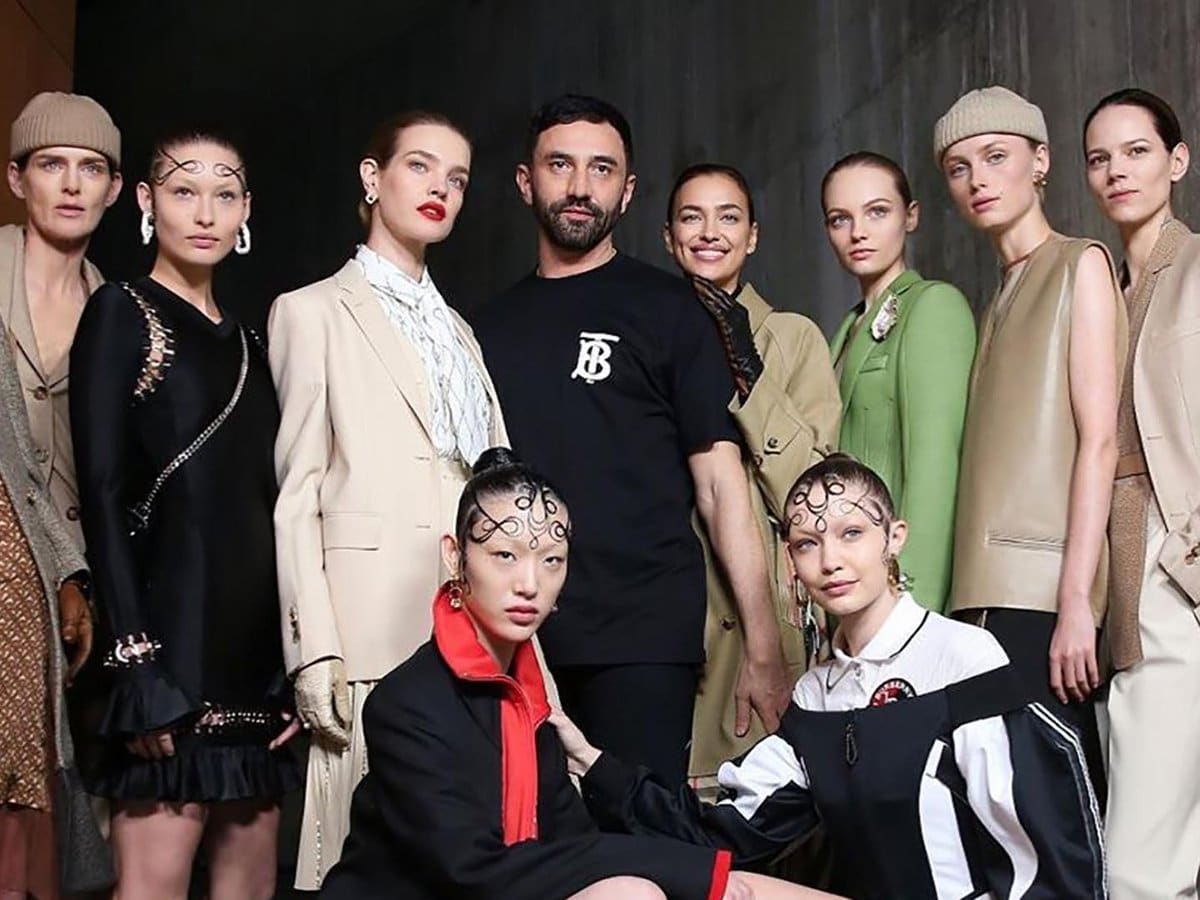
In 2018, Tisci took on the role of Chief Creative Officer at Burberry, a British heritage brand known for its unique style. In a matter of months, he launched streetwear capsule collections that showcased garments focused on logos, accessories with monograms, and collaborations across multiple categories. His reinterpretation of Burberry’s imagery—such as unveiling a novel interlocked TB monogram—made it evident that the elements of streetwear were crucial to the brand’s evolution.
At Burberry, Tisci paralleled his Givenchy playbook, balancing classic trench coats with modern technical outerwear and sneaker designs. He championed street casting, featuring diverse models and influencers alongside traditional faces of the brand.
The Impact on Modern Luxury and Market Trends
Tisci’s method in design instigated significant changes within the luxury market. Consequently, brands including Balenciaga, Louis Vuitton, and Dior have crafted their own versions of opulent streetwear. Reports from industry analysts show that the sector of premium “athleisure” and street-style products has experienced double-digit annual growth rates during the 2010s, coinciding with the emergence of designers like Tisci, whose perspective merges exclusivity with urban realism.
Furthermore, the resale market for Tisci-era Givenchy pieces remains robust. The Rottweiler and Madonna tees have achieved near-iconic status, routinely fetching multiples of their original retail prices. This enduring cult appeal underscores the notion that luxury streetwear, when done with conviction and vision, can transcend seasonal trends.
Shifting Cultural Narratives and Lasting Legacy
Riccardo Tisci’s impact is not solely visible in garments or collections, but also in cultural perception. He advanced the idea that luxury need not be remote or intimidating; it could dialogue directly with youth culture and city life. His designs encouraged a new generation to aspire to luxury not just through fantasy eveningwear, but through everyday street-centric apparel. In doing so, Tisci bridged the distance between high fashion ateliers and the creative energy of the street, reshaping the ambitions of designers, brands, and consumers alike.
Tisci’s story is that of a designer who anticipated the seismic shift in fashion from exclusivity to inclusivity, and from tradition to innovation. His work demonstrates the potential for cross-pollination between seemingly disparate worlds, establishing a framework that continues to inspire the evolution of luxury streetwear.