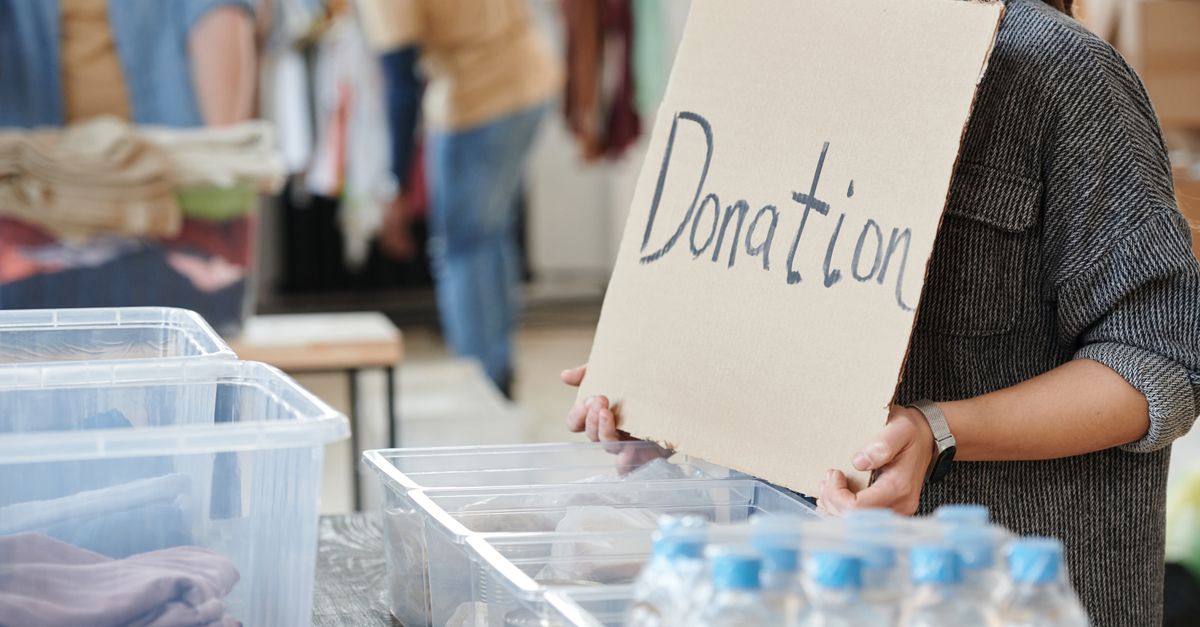


Small island nations like Nauru confront unique environmental strains, including scarce land, limited landfill capacity, heavy reliance on imported packaged products, vulnerable coastal habitats, and the escalating effects of climate change. CSR initiatives that blend recycling programs with environmental learning can curb waste, support local employment, and strengthen community resilience over time. For these islands, successful CSR must account for scale, logistical hurdles, and cultural realities while delivering clear environmental and social benefits.
Context: Nauru’s constraints and opportunities
- Scale and population: Nauru is one of the world’s smallest republics by land area and population, which concentrates both pressures and the opportunity for high visibility, rapid behavior change, and community cohesion.
- Waste management limits: Limited landfill capacity and legacy phosphate mining make on-island waste disposal inefficient and environmentally risky. Shipping waste off-island raises costs and emissions.
- Import-driven consumption: Single-use plastics and packaged imports dominate waste streams; reducing, recovering, and substituting these items offers high impact per intervention.
- Education potential: A small school-aged population and tightly connected communities enable CSR-backed curricula and outreach to scale quickly and consistently.
Forms of CSR initiatives that prove effective on small islands
- Recycling collection hubs and reverse logistics: Privately supported neighborhood drop-off sites that periodically dispatch sorted recyclables to regional facilities or, when possible, handle processing directly on the island.
- Buy-back and incentive schemes: Cash or voucher programs that reward the return of bottles, cans, and premium plastics, generating small but steady income opportunities.
- School-based environmental education: Curriculum assistance, educator training, campus recycling efforts, and student-driven waste assessments that foster long-term habits and cultivate local advocates.
- Community clean-up campaigns with social enterprise links: Regular clean-up events paired with resale, composting, or upcycling ventures that help convert volunteer participation into compensated collection work.
- E-waste take-back and safe disposal: Scheduled collection initiatives financed by electronics importers or retailers to limit the dangers associated with hazardous waste.
- Composting and circular organic programs: Home and community composting systems that divert food scraps and support agriculture, backed by corporate sponsorship and technical guidance.
- Behavioral campaigns and product substitution: Jointly funded efforts aimed at decreasing single-use consumption and promoting reusable options through subsidies or the distribution of long-lasting products.
Representative CSR cases and models applicable to Nauru
- Model 1 — Corporate-funded recycling hub + logistics pool: A regional beverage or retail company finances a long-term recycling drop-off point in the capital and helps cover monthly transport of sorted plastics, glass, and aluminum to a regional recycler. Local staff oversee materials separation and maintain data records. Trackable outcomes include tons diverted, household participation at the hub, and shipping cost per ton. For Nauru, low-cost sea freight consolidation with nearby islands can reduce per‑ton logistics expenses.
- Model 2 — School recycling + curriculum partnership: A multinational partner provides funding for curriculum resources, teacher training sessions, student-led waste audits, and award incentives. Students gather and sort recyclables, and the earnings support school needs. Primary indicators include the number of participating schools, percentage reduction in landfill-bound school waste, and measured student learning gains before and after activities.
- Model 3 — Buy-back / container refund pilot: A retailer or importer launches a refundable deposit trial for beverage containers. Community members return bottles in exchange for vouchers redeemable at partner outlets. Monitored results include container return rates, decreased roadside litter, and small income opportunities generated. In Nauru, vouchers may be customized for essential goods to match import trends.
- Model 4 — Plastic-to-value social enterprise: Corporate seed investment backs a community micro‑enterprise that transforms low‑grade plastics into sturdy items such as pavers or small furniture. Training, machinery, and market connections are supplied. Performance metrics include jobs created, kilograms of plastic repurposed, and revenue generated.
- Model 5 — Periodic e-waste and hazardous waste collection days: Electronics importers fund secure collection events where trained teams sort reusable components, refurbish devices, and send non‑repairable items for responsible recycling. Indicators include tonnes gathered, hazardous parts safely stored or removed, and the volume refurbished for local use.
Data and measurable impact considerations
- Baseline waste characterization: A first step is a simple audit to quantify dominant waste streams (e.g., percent plastic by weight, organics, metals, e-waste). Even small audits of 1–3 representative sites yield actionable data.
- Key performance indicators (KPIs): tons diverted from landfill, participation rates (households/schools), jobs created, materials recovered per month, reduction in coastal litter counts, and student knowledge/attitude shift metrics from pre/post surveys.
- Cost metrics: cost per ton diverted, subsidy per participant, and break-even horizon for social enterprises. Small-island pilots typically require higher per-ton subsidies but can demonstrate social value and catalyze larger regional funding.
Key parties and collaborative frameworks
- Private sector: importers, retailers, beverage manufacturers, logistics operators, and neighborhood enterprises can contribute capital, offer in-kind transport support, assume product stewardship roles, and open pathways to market participation.
- Government: policy design, permitting processes, and the incorporation of CSR programs into national waste management plans and school learning frameworks.
- NGOs and regional bodies: specialized technical input, skills development, and links to broader regional recycling networks; regional groups can pool material volumes across islands to enhance financial viability.
- Communities and schools: vital for driving behavioral shifts and long-term engagement, with local leaders guiding culturally aligned practices.
Operational challenges and mitigations
- High transport costs: Mitigation: combine loads with nearby islands, prioritize exporting higher-value or lower‑weight materials, and establish regional take-back arrangements.
- Limited economies of scale: Mitigation: target impactful yet low-volume waste streams such as e-waste or beverage containers, and structure pilot initiatives as showcases for donor or multinational expansion.
- Market access volatility: Mitigation: lock in multi-year offtake contracts with recyclers or shift toward on-island upcycling to serve local demand.
- Behavioral change maintenance: Mitigation: integrate programs within schools, rely on local advocates, and match incentives like vouchers or school support to keep communities engaged.
Funding, incentives, and sustainability
- Blended finance: Combine CSR funding with grants (regional donors, climate funds), microfinance for social enterprises, and modest user fees where appropriate.
- Performance-based grants: Tie corporate contributions to measurable diversion or education outcomes to encourage efficient program delivery.
- Revenue generation: Social enterprises can create small revenue streams via recycled products, compost sales, or refurbished electronics, reducing long-term subsidy needs.
Monitoring, evaluation, and learning
- Simple data systems: Rely on straightforward spreadsheets or mobile forms to log collections, participants, and outgoing shipments, and provide consistent reports that reinforce confidence among corporate partners and government entities.
- Community feedback loops: Hosting quarterly gatherings and school showcases encourages ongoing adjustments and ensures open public accountability.
- Replication guidance: Record workflows, expenditures, and insights so that effective pilots in Nauru can be tailored for other parts of the Pacific and similarly adapted in return.
Practical recommendations for CSR actors targeting Nauru
- Begin with focused, trackable steps: Test one or two specific waste categories (such as beverage containers or e-waste) and set clear KPIs before scaling the effort.
- Engage schools as hubs: Support teacher training and student-driven collection initiatives; school environments create consistent touchpoints and help embed recycling habits across age groups.
- Optimize for practical logistics: Select materials whose recovery aligns with cost-effective transport options or feasible local repurposing routes.
- Establish aligned incentives: Offer concrete, locally relevant benefits for taking part, including store credits, educational materials, or modest financial rewards.
- Collaborate at a regional level: Work with regional recycling operators and donor organizations to consolidate volume and drive down per-unit expenses.
Well-designed CSR interventions can be catalytic on islands like Nauru: they reduce pressure on scarce land, convert waste into value, and embed sustainable habits through education. The most effective approaches are those that align corporate capabilities with local realities—reducing logistical friction, building school and community ownership, and measuring outcomes that matter to both residents and funders. Small-scale pilots focused on high-impact waste streams, paired with transparent monitoring and regional partnerships, create replicable blueprints that respect cultural context while delivering measurable environmental and social returns.