

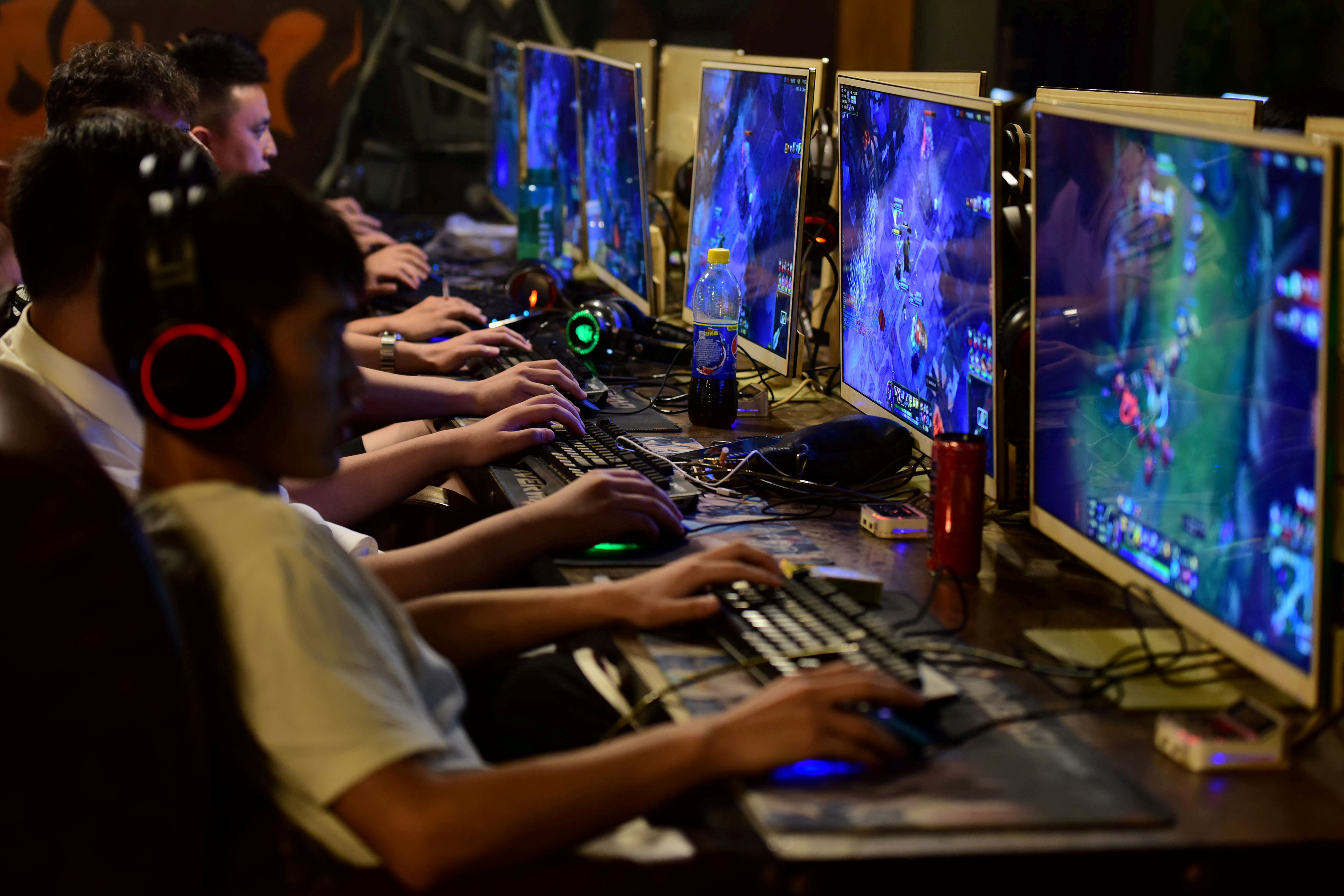
A recently released video game in China has ignited widespread public debate over gender stereotypes, sexism, and the portrayal of women in popular media. The controversy centers around a mobile game that encourages players to “expose” so-called “gold diggers”—a term often used to describe women perceived as seeking material gain through romantic relationships. The game has quickly become a cultural flashpoint, drawing criticism from feminist groups, social media users, and academics who argue that it perpetuates harmful gender biases in a society where discussions of gender equality are increasingly at the forefront.
The game’s premise is simple yet provocative. Players assume the role of a detective tasked with identifying women who are allegedly dating men for their wealth rather than for genuine affection. Through various in-game scenarios, players gather “evidence” to determine whether female characters have ulterior motives in their relationships. The more “gold diggers” players expose, the higher their score.
Since its release, the game has attracted millions of downloads, particularly among younger demographics. It has also sparked intense online discussions, with hashtags related to the game trending on Chinese social media platforms such as Weibo and Douyin. Supporters of the game argue that it offers lighthearted entertainment and a humorous take on a social phenomenon that has long existed in both Eastern and Western cultures. However, critics contend that the game reinforces negative stereotypes about women, reducing them to caricatures and perpetuating the idea that female relationships with men are primarily transactional.
At the heart of the controversy is a broader conversation about gender roles in modern Chinese society. As China’s economy has grown and social norms have evolved, traditional expectations about marriage, career, and family life have shifted dramatically. Young women today are more likely to pursue higher education, seek professional success, and assert independence. These social changes have sometimes clashed with older or more conservative viewpoints, leading to tension around the roles women are expected to play.
Feminist voices in China have been particularly vocal in their condemnation of the game’s underlying message. They argue that it trivializes women’s agency and perpetuates the harmful notion that women who seek financial security in relationships are inherently manipulative or untrustworthy. Some critics have drawn parallels between the game’s portrayal of women and long-standing misogynistic tropes found in both traditional and modern media.
The challenge is compounded by the societal circumstances many women encounter in China. Financial strains, increasing living expenses, and ongoing gender disparities in employment still impact the decisions and possibilities available to women. In certain situations, women might focus on financial security in their partnerships not due to selfishness, but as a logical reaction to systemic hurdles. By portraying women as opportunists without recognizing these underlying elements, the game, according to critics, perpetuates sexist views and hinders progress towards achieving greater gender equality.
Scholars in the field of gender studies have shared their insights, highlighting that mainstream media, such as video games, significantly influences public perceptions and cultural norms. When games like this gain popularity, they aid in normalizing specific attitudes towards women, potentially affecting people’s views on real-life relationships. Researchers caution that unaddressed sexist messages may lead to the continuation of gender-based discrimination, both on the internet and offline.
The debate surrounding the game comes at a time when conversations about women’s rights and gender equality are gaining momentum in China, despite considerable challenges. The country has seen a rise in feminist activism in recent years, including campaigns against sexual harassment, domestic violence, and workplace discrimination. While progress has been made, feminist activists often face censorship, online harassment, and legal restrictions that limit the scope of their advocacy.
In this context, the popularity of a game that appears to ridicule women’s motives in relationships is seen by many as a setback. It reflects the persistence of deeply ingrained patriarchal values and highlights the difficulties of advancing gender equality in a society where traditional gender norms still hold sway.
The game’s developers have defended their creation, asserting that it is intended as satire rather than a serious social commentary. They argue that the game lampoons both genders by also portraying male characters who fall victim to manipulation. However, critics point out that the primary focus remains on exposing women as deceitful figures, which reinforces the existing imbalance in gender portrayals.
The controversy has also reignited discussions about the regulation of online content in China. While Chinese authorities have in the past censored or restricted video games for depicting violence, gambling, or politically sensitive content, regulation of gender representation remains inconsistent. Some analysts suggest that stronger content guidelines could help curb the spread of media that reinforces negative stereotypes.
Simultaneously, the discussion surrounding the game mirrors wider international discussions about sexism in the gaming world. Globally, the video game sector has frequently faced criticism regarding its depiction of women, both in character aesthetics and narrative themes. From overly sexualized female figures to the lack of women in leadership positions within gaming firms, gender-related challenges continue to be a significant issue.
In China, the rise of mobile gaming has created a massive industry with hundreds of millions of players. As games become an increasingly central form of entertainment and social interaction, the messages they convey carry significant cultural weight. This makes the current controversy not just about a single game, but about the values and narratives that are being disseminated through one of the most powerful mediums of the digital age.
Certain members of the Chinese gaming community are advocating for a broader range of inclusive content, encouraging developers to move past traditional stereotypes and craft games that portray the intricacies of today’s society. These supporters contend that video games, being an art form and method of storytelling, hold the capability to question societal norms, foster empathy, and drive beneficial social transformation.
Others, on the other hand, support the ability of creators to delve into provocative topics, arguing that efforts to regulate content could limit artistic liberty. This conflict between creative freedom and societal accountability is not exclusive to China and is reflected in discussions happening in gaming circles internationally.
For many observers, the key issue is the need for greater awareness and dialogue. Rather than banning or censoring controversial content outright, fostering open discussions about the impact of media on gender perceptions may be a more effective way to promote understanding and change. Encouraging game developers to work with diverse teams and consult with experts on gender representation could also lead to more balanced and thoughtful content.
Ultimately, the debate surrounding this video game acts as a smaller reflection of broader societal discussions about gender, equality, and cultural values in China. It highlights the influence of popular media in forming opinions and behaviors and stresses the importance of persistently questioning and confronting stereotypes that hinder advancement toward a more inclusive society.
As China’s social landscape continues to evolve, it is likely that such debates will become more frequent and more visible. The intersection of entertainment, technology, and social values will remain a dynamic and sometimes contentious space, with video games serving as both a mirror and a catalyst for change. How society chooses to respond to these cultural touchpoints will play a crucial role in determining the direction of gender equality in the years ahead.