

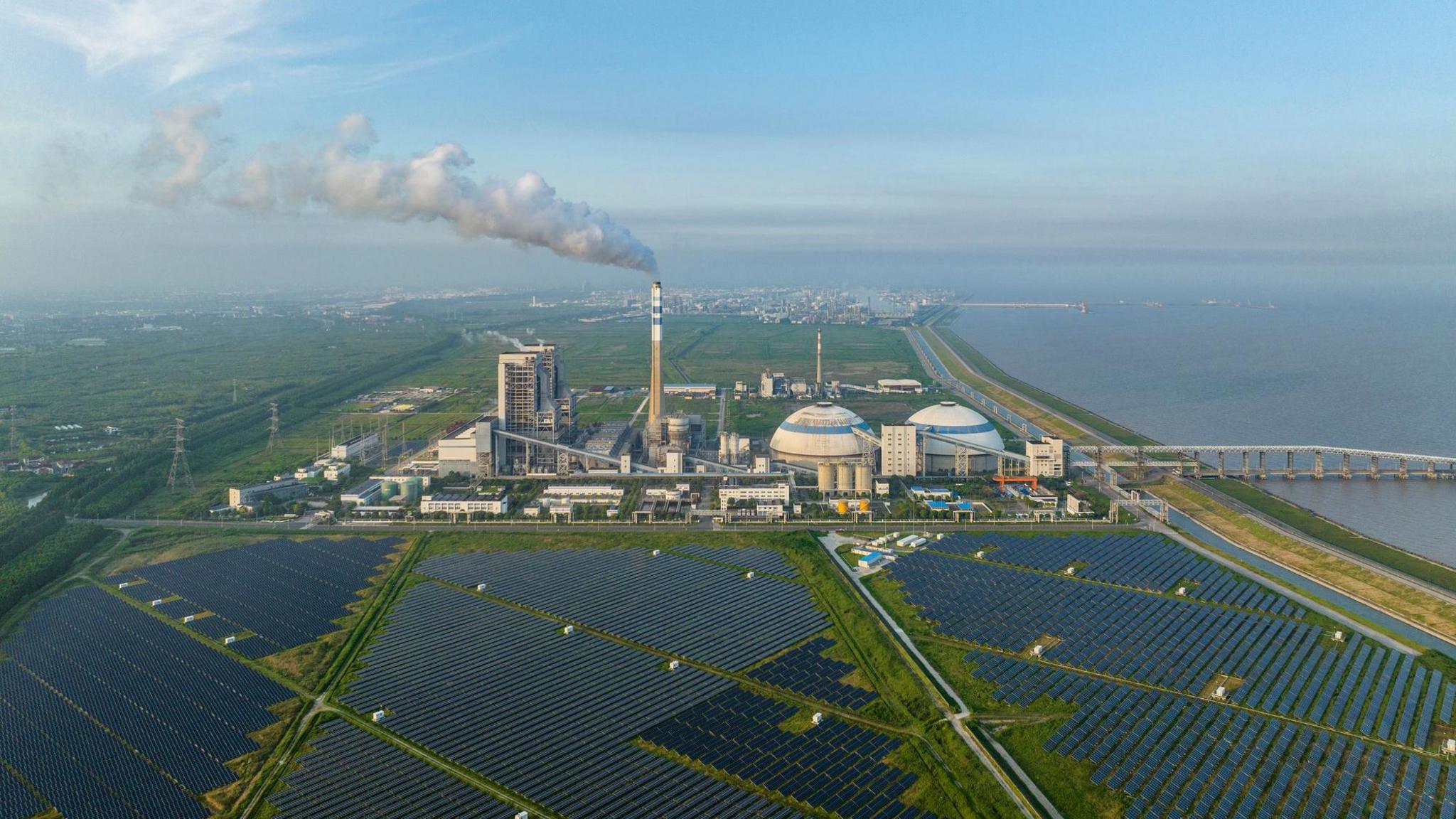
China, long recognized as the world’s largest emitter of greenhouse gases, is showing early signs that its emissions levels may be beginning to shift. This development is drawing attention globally as countries intensify their efforts to combat climate change. Understanding the factors contributing to this potential turning point and its implications for international climate goals is crucial for policymakers, environmental advocates, and citizens alike.
China’s rapid industrial growth over the past few decades has positioned it at the forefront of global emissions. Driven by coal-intensive industries and urban expansion, the country has been a central player in climate discussions. However, recent data suggests that emissions could be stabilizing or even declining—a significant departure from previous trends.
Several factors are driving this change. Initially, China’s goal to reach its highest carbon emissions before 2030 and attain carbon neutrality by 2060 has encouraged governmental strategies to cut down dependence on fossil fuels. These strategies have sparked the advancement and application of renewable energy resources including solar, wind, and hydropower. Consequently, China has emerged as the world leader in renewable energy capacity.
Moreover, China’s economy is gradually transitioning away from heavy industry towards technology, services, and consumer-driven growth. This economic evolution naturally reduces dependence on energy-intensive manufacturing, leading to a smaller carbon footprint. The government’s emphasis on energy efficiency and innovation in clean technology has also played a role in curbing emissions.
The decrease in coal usage is another influential element. Although coal continues to play a major role in China’s energy portfolio, its presence has been consistently shrinking as investments in more sustainable energy resources grow. Initiatives to retire outdated, inefficient coal power stations and to enforce tougher emissions standards on current facilities are speeding up this change.
The COVID-19 pandemic provided an unusual but temporary dip in emissions due to reduced industrial activity. While some rebound was expected as economies reopened, China’s emissions have not returned to pre-pandemic growth rates, suggesting that more structural changes may be taking root.
Electric vehicles (EVs) also play a pivotal role in China’s emissions landscape. As the world’s largest market for EVs, China has implemented policies and subsidies that have significantly expanded the production and adoption of electric cars, trucks, and buses. This shift is gradually reducing the country’s transportation-related emissions.
China’s commitment to global climate agreements, including the Paris Agreement, underscores its role in international environmental cooperation. By pledging to peak emissions and invest in green technology, China has positioned itself as both a significant challenge and an essential partner in the fight against climate change.
Nevertheless, challenges remain. China’s vast energy usage, continued coal dependence, and the requirement for economic stability pose intricate challenges. Furthermore, regional differences imply that although certain provinces progress in adopting renewable energy, others still rely on conventional energy sources.
Sustaining the decreases in emissions will necessitate ongoing policy implementation, creativity, and worldwide cooperation. Specialists caution that short-term declines, although promising, should be succeeded by enduring strategies that promote comprehensive transformation. Openness, regular data sharing, and global alliances will be crucial in guaranteeing responsibility and advancement.
China’s actions carry global significance. As the largest emitter, its emissions trajectory will heavily influence whether international climate goals—such as limiting global warming to 1.5 degrees Celsius—can be achieved. Every reduction in emissions from China contributes substantially to the global carbon budget.
To support this transformation, China is investing in large-scale renewable energy infrastructure, including expansive solar farms and offshore wind projects. These developments not only reduce dependence on fossil fuels but also position China as a leader in exporting clean energy technology to other nations.
The introduction of China’s national emissions trading system (ETS) marks a significant progression. Starting with the energy sector, the ETS aims to broaden its scope to encompass additional industries, offering economic motivation for reducing emissions via market-based approaches. These actions indicate an increasing acknowledgment of the financial advantages tied to environmental accountability.
Advancements in energy storage technology, including battery development and smart grid integration, further enhance the feasibility of renewable energy dominance. Ensuring that clean energy sources can provide stable and reliable power is a key component of China’s transition.
Evolving opinions about environmental conservation are also evident in China. Increasing recognition of air contamination and its effects on health has led to heightened public demand for improved air quality and more robust environmental regulations. This societal change places additional pressure on both regional and national authorities to expedite ecological initiatives.
Globally, China’s emissions trajectory affects not only environmental outcomes but also economic relations. As countries implement “green tariffs” and prioritize sustainability in trade agreements, China’s progress in reducing emissions may influence its competitiveness and diplomatic standing.
Anticipating the future, meeting China’s ambitious goals for reducing emissions will necessitate a unified effort across various areas, such as industry, transportation, energy, and urban planning. The leadership of the government, innovation from the private sector, and the involvement of the public will all play crucial roles in achieving success.
Regularly tracking progress through transparent reporting and embracing international cooperation can strengthen these efforts. Joint research, technology sharing, and collaborative financing for clean energy projects are avenues through which China and other nations can work together to meet global climate goals.
While China’s potential decline in carbon emissions marks an encouraging development, the journey towards sustained reduction is ongoing. Continued focus on renewable energy, technological innovation, policy implementation, and international collaboration will determine whether this trend endures and how it shapes the broader fight against climate change. The world’s attention remains fixed on China, recognizing that its actions are pivotal to securing a sustainable and climate-resilient future for all.