
The term “boho style,” often referred to as “bohemian style,” has evolved into a widely recognized fashion and lifestyle aesthetic that encapsulates free-spiritedness, creativity, and a blend of various cultural influences. This style is not just about fashion; it’s an embodiment of a particular worldview and lifestyle that values authenticity and artistic expression.
The Roots of Boho Style
Boho style can be traced back to the 19th‑century bohemian movement, shaped in large part by artists, writers, and musicians who embraced unconventional ways of living; this movement often reflected a dismissal of traditional social expectations and an inclination toward communal life, creative expression, and spiritual pursuit, while the term “bohemian” comes from the French “bohémien,” a word applied to Romani communities thought to have originated in the Bohemia region of what is now the Czech Republic.
Key Features of the Boho Style
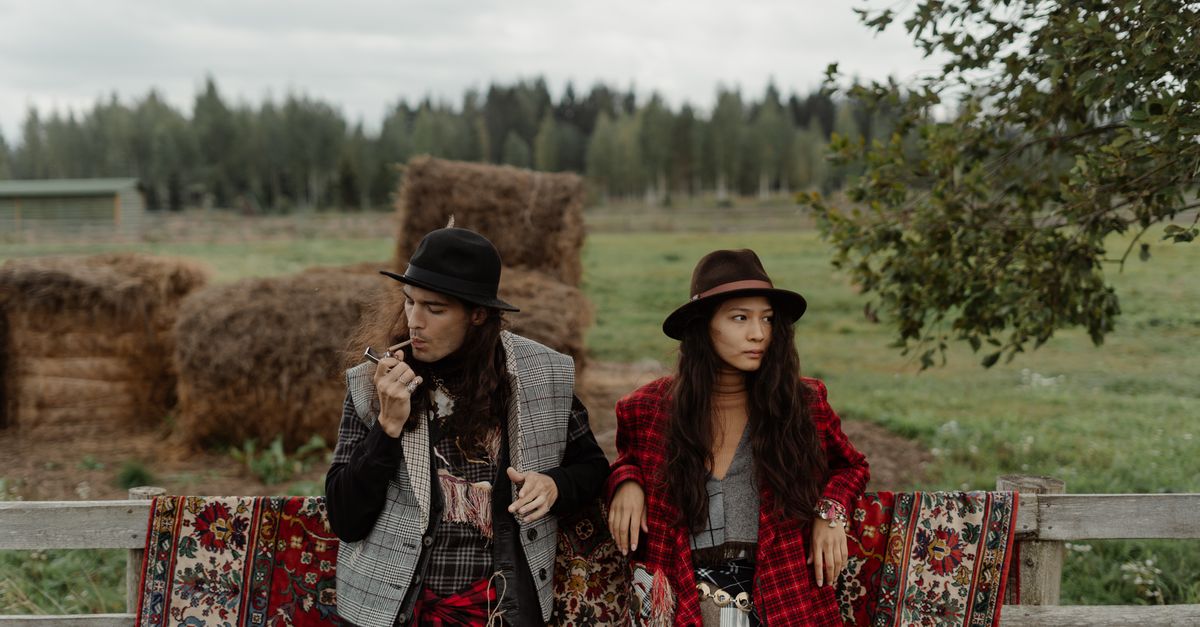
Fashion: Boho style in fashion is distinguished by its eclectic mix of colors, patterns, and textures. Key elements include flowing dresses, layered clothing, fringed accessories, natural fabrics like cotton and linen, and a vibrancy that invokes a sense of freedom and individuality. Prints are often inspired by global traditions, such as paisley, ikat, and tribal designs, which highlight its inclusive nature.
Home Decor: In interior design, boho style emphasizes comfort, warmth, and the use of handmade items. Spaces are adorned with an abundance of textiles, including patterned rugs, macramé, and crochet pieces. Used or vintage furniture finds harmony with potted plants and items that have a personal story or cultural significance.
The Contemporary Boho Style
Today, the boho style keeps transforming as it embraces sustainability and genuine cultural appreciation, with brands and designers adopting eco-conscious materials and responsible production methods; for example, sustainable fashion pioneer Eileen Fisher frequently weaves boho influences into her work by using fair trade textiles and maintaining ethical practices.
In the realm of digital expression, platforms like Instagram and Pinterest have proliferated boho style, with influencers showcasing their unique boho-inspired outfits and home designs. These platforms allow for a personal interpretation of boho that resonates with diverse audiences worldwide.
Boho Style’s Cultural Impact
The cultural impact of boho style is significant as it fosters a platform for cross-cultural exchange and appreciation. By drawing inspiration from various cultures, the style champions diversity but also demands mindfulness to avoid cultural appropriation. Successful examples of cultural appreciation include partnerships and collaborations with artisans worldwide, ensuring their voices and traditions are respected and represented authentically.
Living the Boho Lifestyle
Adopting a boho lifestyle extends far beyond visual style; it involves embracing a mindset grounded in mindfulness, imaginative expression, and active community involvement. Individuals who resonate with the boho ethos typically value meaningful experiences more than material goods, pursue eco‑conscious ways of living, and immerse themselves in creative endeavors like art, music, and writing.
This deep dive into the boho style reveals a complex tapestry woven from history, personal expression, and cultural appreciation. Its enduring appeal lies in its ability to adapt and resonate with individuals searching for authenticity in their lifestyle and self-expression. As the boho style continues to influence fashion, decor, and lifestyles, it reminds us of the value of creativity and the beauty found in embracing diverse cultural influences.