

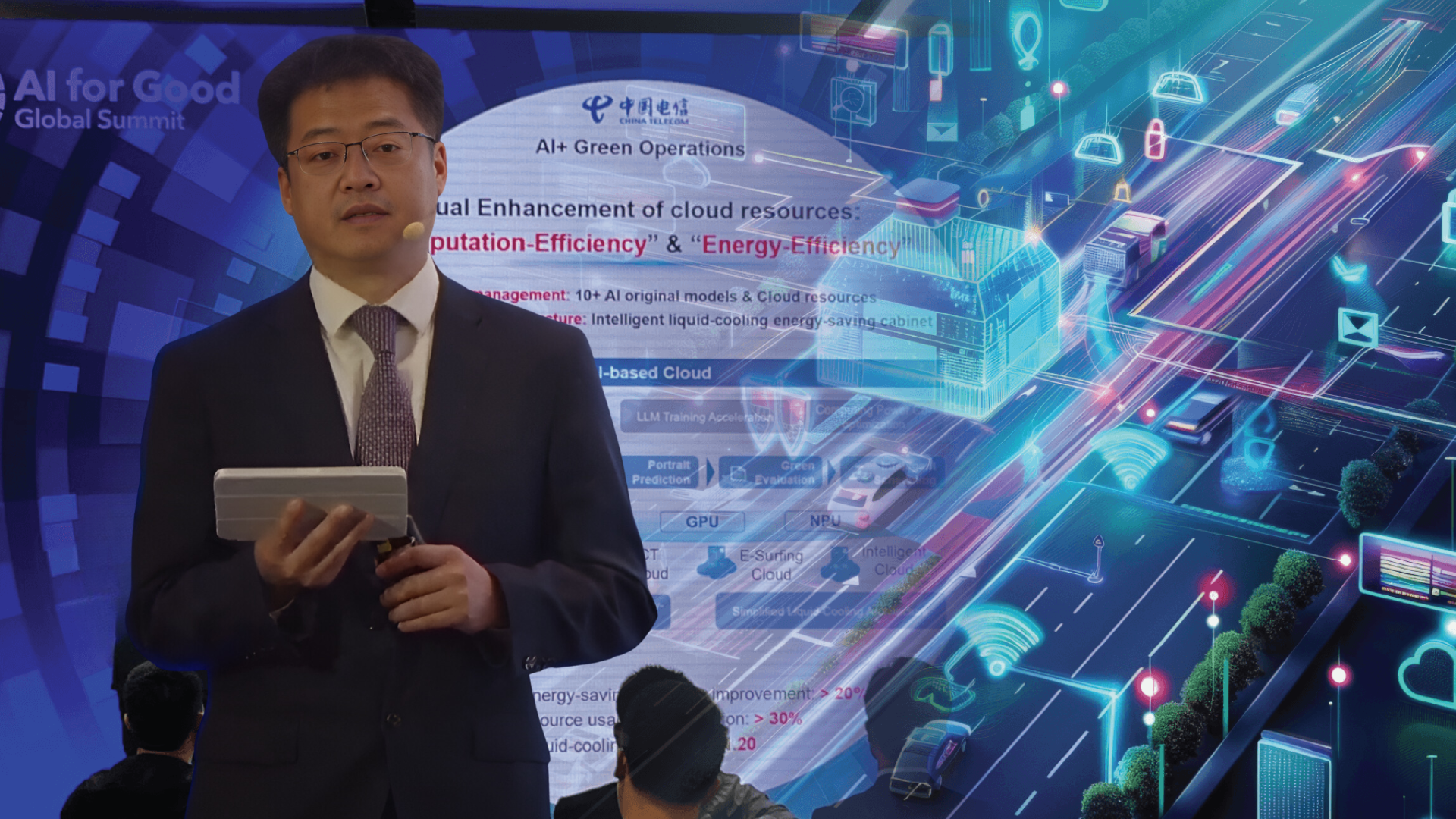
As artificial intelligence (AI) continues to reshape global industries, China has introduced a proposal for the creation of an international group dedicated to AI governance—an initiative aimed at promoting global collaboration on ethical standards, regulatory norms, and technological safety. The move highlights a growing divergence in how major powers approach the management of emerging technologies, with China advocating for multilateral cooperation while the United States favors a more autonomous path.
The suggestion from Beijing, presented at a global technology policy conference recently, advocates for creating a formal international setup that would unite governments, technology firms, universities, and non-governmental organizations. The group’s aim would be to formulate collective regulations and supervision strategies for AI advancement, application, and risk management. Chinese representatives contend that as AI technologies become increasingly embedded in daily activities, the demand for standardized regulations is both pressing and essential.
China’s efforts align with its wider strategy to shape the global conversation about AI and affect the basic standards guiding its evolution. The nation has poured significant resources into AI research and infrastructure, with its leaders consistently underlining the crucial role of responsible creativity. Through leading this international initiative, China establishes itself not only as a tech pioneer but also as a key player in the management of upcoming technological advancements.
In contrast, the United States has opted to take a more domestically focused approach to AI oversight. Rather than joining multilateral regulatory efforts led by global institutions or rival nations, U.S. policymakers have emphasized national competitiveness, innovation-driven regulation, and strategic security. Washington has expressed concerns that global standards shaped outside its influence may not align with democratic values or protect critical interests such as data privacy, intellectual property, and national defense.
This difference has resulted in opposing approaches in the global technology policy field. Although China aims to establish worldwide discussions via coordinated governance mechanisms, the U.S. keeps advancing its individual AI frameworks primarily domestically, emphasizing internal regulatory changes, funding programs, and collaborations between the public and private sectors.
Experts in technology policy note that China’s proposal comes at a critical moment. Rapid advances in generative AI, autonomous systems, and predictive algorithms are outpacing the regulatory infrastructure in many parts of the world. Without a cohesive framework, inconsistent rules and standards could create friction in international markets, increase the risk of misuse, and exacerbate geopolitical tensions.
Supporters of China’s initiative argue that a global approach to AI governance is essential for managing transnational challenges such as algorithmic bias, misinformation, labor displacement, and cybersecurity threats. They stress that AI’s influence is not confined by national borders, making international coordination vital for effective oversight.
However, detractors express worries concerning the motives driving China’s diplomatic efforts. A number of Western experts caution that enabling authoritarian governments to influence international AI standards could result in reduced protections against monitoring, suppression, and civil liberties violations. They highlight China’s internal application of AI technologies—like facial recognition and predictive policing—as proof that its interpretation of ethical innovation might diverge significantly from the principles of liberal democracies.
The United States, on its end, continues to be wary of getting involved in governance structures that could undermine its strategic benefits or weaken its principles. U.S. authorities have highlighted the necessity of preserving a technological lead while making sure AI tools are created in accordance with values like openness, justice, and responsibility. Lately, executive measures and legislative initiatives in the U.S. emphasize this dual aim of promoting innovation while reducing risks.
Despite their differing approaches, both countries recognize the transformative power of AI and the need to address its risks. Yet, the absence of a unified global strategy could result in a fragmented regulatory environment, complicating international cooperation and raising barriers to interoperability between AI systems.
Meanwhile, other countries and regional blocs are also stepping into the AI policy space. The European Union, for example, has taken a regulatory leadership role with its AI Act, which introduces risk-based classifications and compliance obligations for AI developers and users. India, Brazil, Japan, and South Korea are also exploring national AI policies that reflect their unique priorities and values.
Considering this divided scenario, the concept of an international AI oversight group is supported by some analysts as a possible means to connect varied regulatory environments. Supporters contend that while complete agreement might be improbable, discussions and collaboration on fundamental matters—like safety protocols, moral standards, and technical criteria—can lessen conflict and promote shared comprehension.
China’s proposal reportedly includes suggestions for regular meetings, shared research initiatives, and the establishment of expert working groups. It also encourages participation from both developed and developing countries to ensure inclusivity and balance. However, questions remain about how such a group would operate, how decisions would be made, and whether it could navigate the geopolitical complexities that currently define the tech landscape.
If realized, the proposed governance group would add another layer to the complex web of international AI diplomacy. It could serve as a forum for information sharing and norm setting, or become a venue for geopolitical rivalry. Much will depend on which nations join, how transparent the process is, and whether the initiative can build trust among stakeholders with competing interests.
A medida que la IA sigue avanzando y sus efectos sobre la sociedad se hacen más profundos, es probable que el debate sobre la mejor manera de regular esta tecnología transformadora se intensifique. Ya sea a través de la visión multilateral de China, el modelo independiente de los Estados Unidos, o una combinación de ambos, los próximos años serán fundamentales para establecer las bases éticas y legales que orienten la integración de la IA en la sociedad mundial.
In the meantime, the world watches closely as two superpowers take divergent paths in the quest to define the rules of the AI age—one seeking to build consensus, the other determined to chart its own course.