

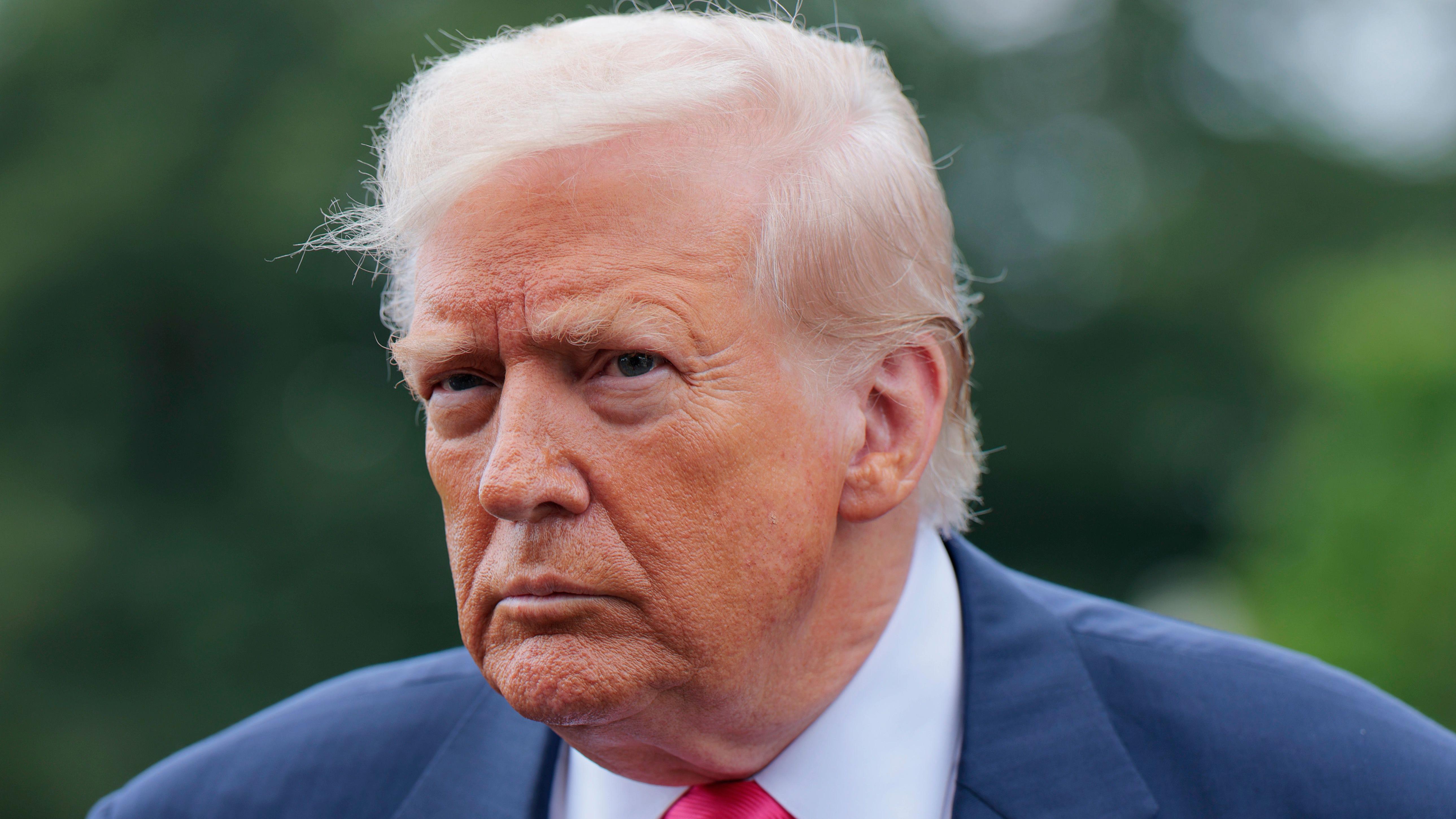
Under his leadership, Donald Trump’s strategy towards global commerce represented a significant shift from the cooperative principles that had been a cornerstone of U.S. policy for many years. Abandoning established trade practices, Trump adopted an aggressive tactic focused on imposing harsh tariffs, especially aimed at significant markets like China and traditional partners in Europe and North America. Although contentious, these measures initiated a worldwide debate on trade equity and the success of protectionist strategies—and, potentially, led to noticeable results.
At the heart of Trump’s trade philosophy was a belief that the United States had been taken advantage of in previous trade agreements, resulting in persistent deficits, weakened industries, and job losses in key sectors like steel, aluminum, and manufacturing. To counter this, his administration imposed a wave of tariffs on imported goods, especially from countries with whom the U.S. had significant trade imbalances.
One of the most significant moves was the tariff escalation with China. In 2018 and 2019, the Trump administration placed tariffs on hundreds of billions of dollars’ worth of Chinese goods, citing intellectual property theft, forced technology transfers, and unfair trade practices. In response, China retaliated with its own tariffs on U.S. goods, sparking a trade war that rippled through global markets.
Despite fears of economic fallout, Trump maintained that the strategy was working. By applying economic pressure, the administration sought to bring China to the negotiating table—and it eventually did. The result was the “Phase One” trade agreement signed in January 2020, in which China agreed to increase purchases of American agricultural products, bolster intellectual property protections, and open parts of its financial sector to foreign competition. While critics argued the deal fell short of systemic change, it was seen by supporters as proof that tariff pressure could yield concessions from one of the world’s largest economies.
Beyond China, the administration also leveraged tariffs in negotiations with other major trade partners. For example, under the threat of tariffs on automobiles, the U.S. pushed the European Union toward dialogue on revising trade terms. Similarly, in North America, Trump used tariff threats on Canadian and Mexican goods to renegotiate the North American Free Trade Agreement (NAFTA), resulting in the United States-Mexico-Canada Agreement (USMCA). The updated pact included stronger labor provisions, environmental standards, and digital trade regulations—reforms the administration touted as victories for American workers and businesses.
Trump’s approach of utilizing tariffs as leverage in negotiations was not widely acclaimed. Economists cautioned that these measures could potentially disturb global supply networks, raise expenses for American customers and companies, and weaken international collaboration. Certain industries, notably agriculture, were heavily impacted by counter-tariffs, leading to severe financial difficulties and resulting in the government providing billions of dollars in assistance to the affected farmers.
Yet even amid criticism, there were signs that the strategy had measurable effects. Certain industries saw a temporary boost, and the mere threat of tariffs often drove trading partners to engage in talks more seriously. This approach challenged long-held assumptions in global economics about the limits of unilateral action. For decades, economists and policymakers largely favored free trade and multilateral dispute resolution through institutions like the World Trade Organization (WTO). Trump’s administration rejected this orthodoxy, choosing instead to act unilaterally, with an emphasis on assertiveness over diplomacy.
The results were mixed but significant. While the trade deficit did not disappear, it narrowed in some sectors. The conversation around reshoring manufacturing and reducing dependence on foreign supply chains, especially from geopolitical rivals, gained momentum—not only in the U.S. but globally. Countries began reevaluating their economic vulnerabilities and considering how to insulate themselves from similar trade shocks in the future.
Advocates of Trump’s strategy highlight these changes as proof that strategically applied tariffs can recalibrate economic partnerships. They assert that prior administrations were overly cautious, depending on lengthy talks and international organizations that did not achieve prompt outcomes. In their view, a more assertive approach was necessary for some time.
Critics, however, highlight the economic volatility that accompanied the trade disputes. They note that while some sectors benefited, others—particularly those reliant on complex international supply chains—faced higher input costs and uncertainty. The long-term impact of these measures remains debated, especially given the broader economic disruptions caused by the COVID-19 pandemic in the final year of Trump’s presidency.
However, the larger impact of Trump’s tariff strategy is evident in its effect on the global trade dialogue. It compelled decision-makers, corporations, and analysts to reevaluate beliefs about global markets, national priorities, and government involvement in the economy. The idea of “economic nationalism,” previously viewed as marginal, entered the mainstream, altering nations’ perspectives on trade and production sovereignty.
Though the administration led by Biden has altered its communication and approach, several tariffs established during Trump’s tenure are still intact. This consistency indicates that, despite early disputes, certain components of his strategy have been integrated into the framework of U.S. trade policy. Continued friction with China, initiatives to bolster local industries, and a wary view on broad multilateral deals demonstrate a transformed scene where protective measures are now a topic of discussion.
In hindsight, Trump’s tariff strategy can be viewed as both disruptive and consequential. While it strained alliances and unsettled markets, it also exposed structural imbalances and provoked new thinking about trade equity. Whether viewed as pragmatic realism or economic overreach, the results of these tactics continue to influence international commerce, diplomatic relationships, and domestic political debates.
In this period of global economic unpredictability and geopolitical rivalry, Trump’s trade policy continues to serve as a notable, albeit contentious and unorthodox, point of influence.