
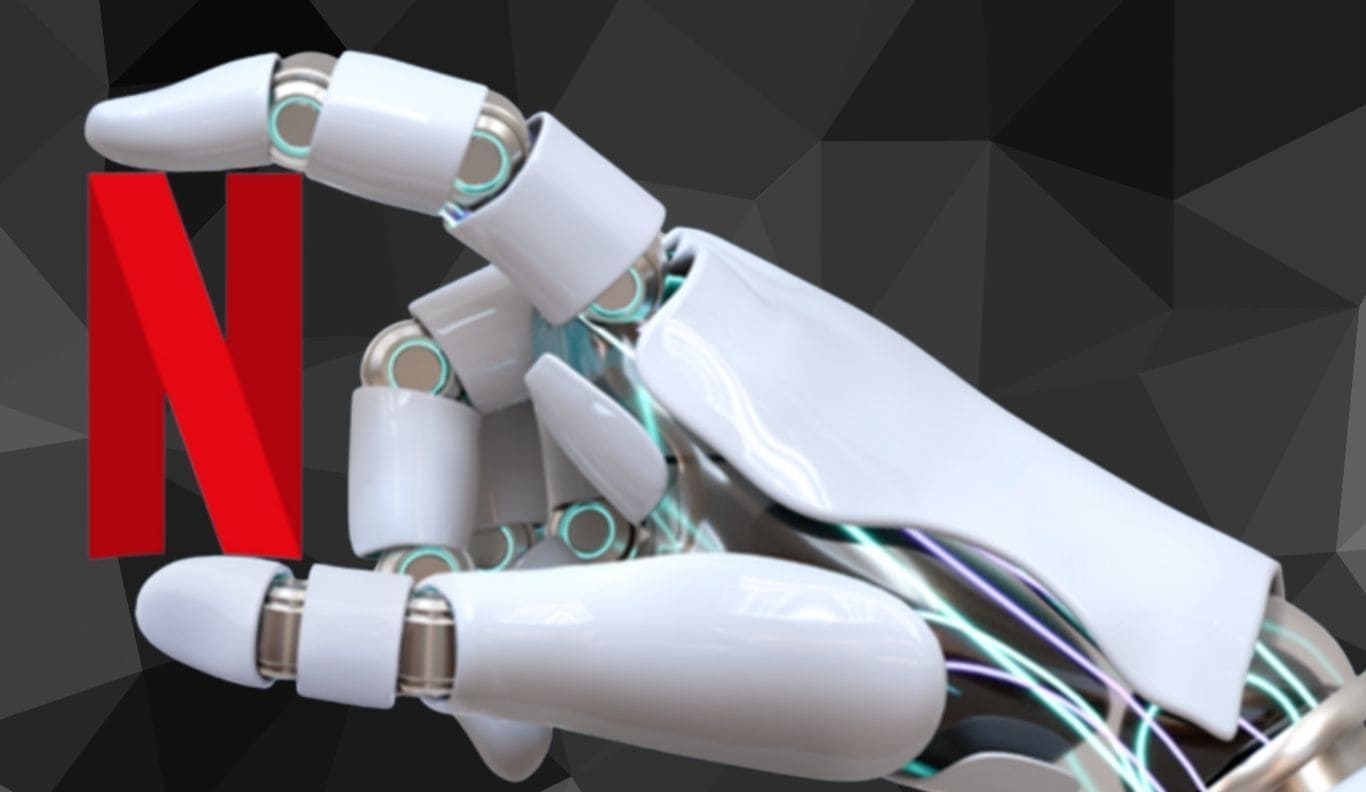
Netflix has quietly taken a step into the world of artificial intelligence by using AI-generated visual effects for the first time in one of its productions—a move that reflects a growing trend across the entertainment industry to adopt emerging technologies as a way to streamline costs and accelerate post-production.
While the company hasn’t officially announced the new project, experts in the field and observant spectators have noticed slight variations in specific scenes, hinting at the use of AI-enhanced visuals. These improvements, though not significantly changing the narrative, point to a change in how streaming services such as Netflix manage their production processes.
Over the past decade, Netflix has built a reputation for high-quality original content, often marked by ambitious visuals and extensive use of digital effects. However, the costs associated with large-scale VFX work can be substantial. By incorporating AI tools into the creative process, the company aims to strike a balance between maintaining cinematic quality and reducing reliance on expensive manual editing or animation.
The integration of AI in this setting includes algorithms for machine learning that can carry out duties usually managed by extensive groups of artists. For instance, enhancements to backgrounds, tweaks to lighting, and minor visual tidying up can now be completed in much less time than it would require with traditional techniques. This not only reduces the duration of production schedules but also lets creators distribute resources more effectively.
Regarding Netflix, which regularly oversees a wide range of worldwide content, such efficiencies could significantly influence its operations. With over 260 million subscribers around the world, the platform needs to consistently offer new and varied programs to maintain its lead in a highly competitive streaming industry. As production budgets become stricter and competition grows, any advancement that promotes scalability while maintaining quality is of great worth.
Industry analysts suggest that this move signals more than just a one-off experiment. The use of AI-generated effects could become standard practice in future productions, particularly for mid-budget shows or films where visual enhancements are necessary but full-scale effects teams might not be financially viable. This shift could pave the way for other studios and networks to explore similar solutions.
Simultaneously, the increasing use of AI in the creative sectors has initiated discussions. Though AI provides rapidity and effectiveness, apprehensions exist regarding its effect on jobs in VFX and post-production fields. Professionals and specialists, who have traditionally played key roles in storytelling, are concerned about being supplanted or having their responsibilities diminished. Certain unions are even advocating for more explicit rules and safeguards as AI technologies advance and gain broader acceptance.
Netflix, on its side, seems to be moving forward carefully. Instead of substituting whole teams, the inclusion of AI appears to assist in the creative process, rather than removing jobs. Individuals familiar with current projects report that the technology is utilized to tackle monotonous or lengthy duties, allowing human creatives to concentrate on more sophisticated and imaginative parts of the work.
In addition to cutting costs, there is also the matter of artistic flexibility. AI solutions provide fresh opportunities for filmmakers and editors looking to test out different visual approaches or fix small problems once the main filming concludes. For instance, AI can assist in maintaining consistent color grading across various scenes, duplicating lighting conditions, or eliminating undesirable elements without needing additional shoots—capabilities that improve creative control while remaining cost-effective.
This approach aligns with a broader industry trend where AI is becoming part of the filmmaking toolkit rather than a disruptive force. Major studios, including Disney and Warner Bros., are already exploring similar applications, from script analysis to automated dubbing. In this sense, Netflix is neither ahead of the curve nor behind it, but rather moving with the flow of technological adaptation.
Still, transparency remains key. Audiences are increasingly curious about how content is made, and there is a growing appetite for behind-the-scenes information. As AI becomes a bigger part of the production process, companies may need to disclose how and where it’s used—not only to satisfy viewer interest but also to uphold industry standards and foster trust.
Looking ahead, it’s likely that Netflix will continue experimenting with AI-driven solutions, particularly as the technology matures. The goal isn’t necessarily to revolutionize filmmaking overnight, but to gradually integrate tools that support storytelling in efficient, scalable ways. Whether this leads to a broader transformation in content creation remains to be seen.
At present, the quiet addition of AI-created effects signifies a fresh stage in Netflix’s development—where creativity and practicality come together. As streaming services encounter growing demands to provide improved content with fewer resources, artificial intelligence could become a crucial partner in the continuous quest for quality entertainment.