

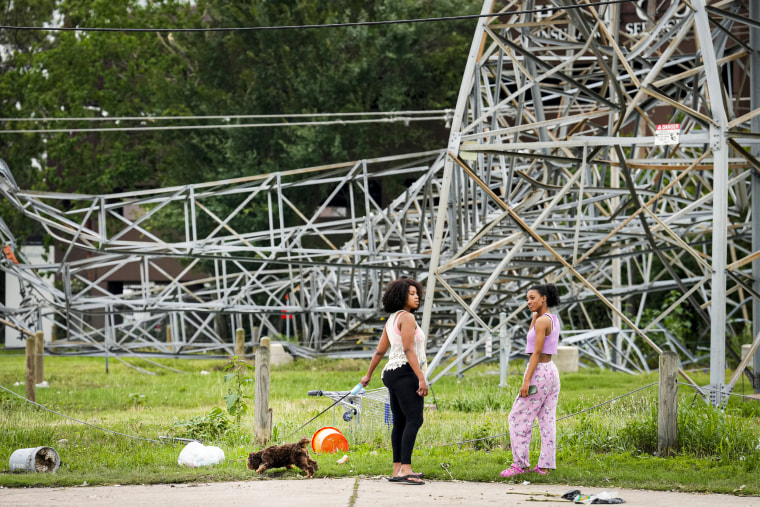
Lives are at stake as severe storms in Texas prompt renewed attention on proposed reductions to the nation’s weather monitoring capabilities. The devastating impact of recent weather events has reignited concerns over how budgetary cuts to meteorological services could affect public safety, disaster preparedness, and the ability to respond effectively to extreme weather.
Texas has faced a succession of severe storms that have resulted in extensive destruction, forced families out of their homes, and caused heartbreaking fatalities. From intense tornadoes to major flooding, these occurrences highlight the growing regularity and severity of extreme weather patterns associated with climate change. As localities work to rebuild, concerns are emerging about whether the country’s weather prediction systems are sufficient and the possible effects of decreased financial support.
At the center of this debate is the National Oceanic and Atmospheric Administration (NOAA), the federal agency responsible for weather forecasting, climate monitoring, and oceanic research. NOAA plays a critical role in issuing warnings, tracking storm systems, and providing real-time data that allows emergency responders and local authorities to make informed decisions. Proposed budget cuts that would impact NOAA’s operations are facing heightened scrutiny in light of the recent disasters.
Weather specialists, emergency coordinators, and public safety supporters have raised alarms that cutting resources for weather observation could greatly impair the country’s capacity to deliver prompt and precise predictions. They emphasize that lives rely on advance notices enabling people and neighborhoods to gear up or leave when faced with looming threats. Diminished personnel, postponed equipment updates, and reduced research financing might undermine the precision of forecasts and the rapidity of emergency notifications.
The recent storms in Texas underscore the importance of having precise weather data for protecting lives and reducing damage to properties. Frequently, timely alerts have given residents vital moments to find shelter or relocate to a safer location. Without strong forecasting capabilities, the potential for loss of life and devastation would likely increase significantly. Emergency response efforts, including local planning and federal collaboration, depend heavily on the scientific information and forecasts supplied by organizations such as NOAA.
The debate over weather agency funding also reflects broader discussions about the role of science in public policy. Critics of budget reductions argue that weakening meteorological services undermines national resilience in the face of climate-related challenges. With extreme weather events becoming more frequent, investments in forecasting technology, climate modeling, and disaster response infrastructure are seen as essential components of national security and public welfare.
Supporters of proposed cuts have suggested that government spending should be streamlined and that private sector innovations could fill some of the gaps left by reduced public investment. However, many experts caution that no private entity currently has the capacity or mandate to provide the comprehensive, nationwide weather monitoring and forecasting that NOAA delivers. Public agencies remain the backbone of disaster preparedness, particularly in underserved and vulnerable communities.
The consequences of funding choices extend beyond immediate meteorological phenomena. Ongoing climate investigations, such as the examination of hurricanes, droughts, and increasing sea levels, rely on steady investment in data gathering and analysis. Reducing these initiatives could restrict the country’s capacity to foresee and adjust to prospective climate challenges.
El costo humano de las tormentas en Texas es un fuerte recordatorio de lo que está en juego. Familias han perdido a seres queridos, casas han sido destruidas, y comunidades enteras enfrentan un largo camino hacia la recuperación. La importancia de las advertencias meteorológicas a tiempo para mitigar tales tragedias es incuestionable. A medida que el cambio climático sigue impulsando condiciones climáticas más extremas, la necesidad de servicios meteorológicos bien financiados y científicamente sólidos es más urgente que nunca.
Apart from government initiatives, educating the public on how to prepare for weather events is vital. Making sure people know how to react to warnings, find safe locations, and remain updated in critical situations boosts the efficiency of prediction systems. The sturdiness of a community relies not solely on technological systems but also on the consciousness and readiness of individuals locally.
Looking forward, decision-makers encounter challenging decisions regarding resource distribution amidst competing priorities. Nonetheless, the rising intensity of natural disasters indicates that funding weather predictions and disaster preparedness produces considerable benefits in saving lives, maintaining economic steadiness, and enhancing community welfare. The expense of not taking action—or investing insufficiently—can be evaluated not just in monetary terms but also in terms of human distress and avoidable losses.
The current situation in Texas underscores the interconnectedness of environmental change, public safety, and governmental decision-making. As extreme weather events grow more common, the resilience of communities across the country will increasingly hinge on the strength and reliability of weather forecasting and disaster response systems. Ensuring that these systems are adequately funded and supported is not just a matter of policy—it is a matter of life and death.
The recent deadly storms in Texas have brought renewed attention to the crucial role of weather monitoring agencies and the potential dangers of reducing their capabilities. As the nation grapples with the realities of climate change, maintaining robust, well-funded forecasting services is essential for safeguarding communities and ensuring that timely, accurate information remains available when it is needed most.